Understanding remote social skills therapy
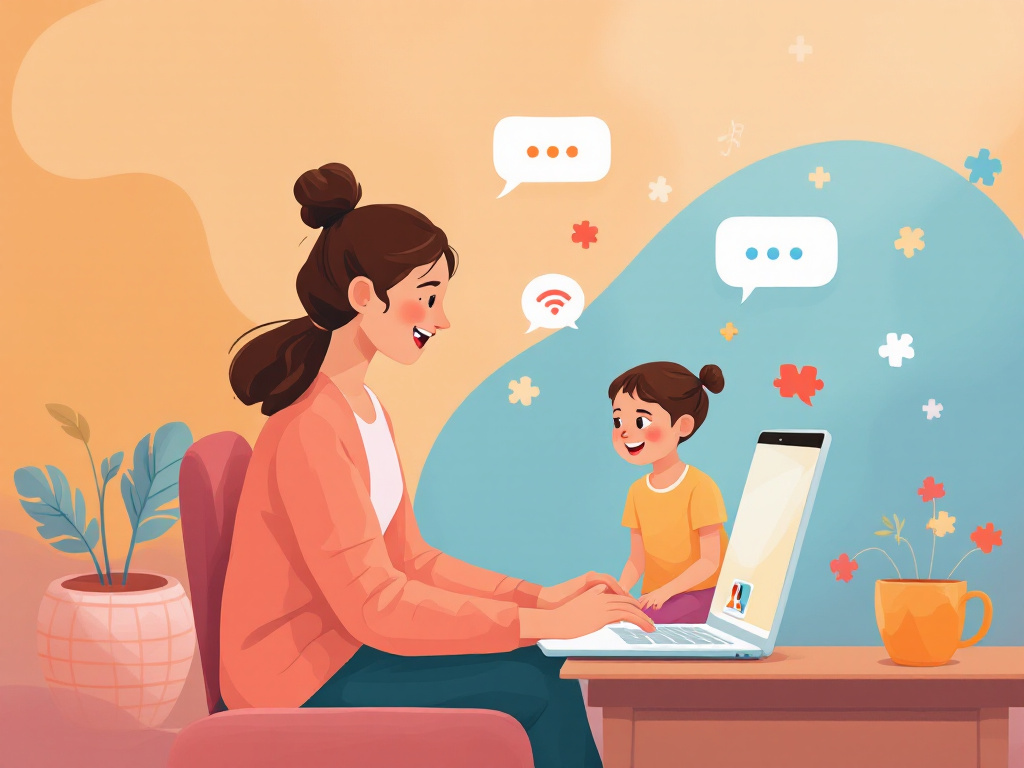
Remote social skills therapy uses video calls and digital tools to help your child practice communication, play, and relationship skills from home. Instead of driving to a clinic, you and your child connect with a therapist using a computer, tablet, or phone. For many families, this style of support fits better with busy schedules, sensory needs, and geographic limitations.
For autistic children, social situations can feel confusing or overwhelming. Remote social skills therapy focuses on skills like taking turns in conversation, reading body language, joining play, handling teasing, or managing conflict. When you choose remote services, you allow your child to work on these skills in a space that already feels familiar and safe, which can reduce anxiety and sensory overload during sessions [1].
Remote care is not one single therapy. It is a way of delivering many evidence-based approaches to you, including ABA-based social skills training, speech therapy, counseling, and structured parent coaching. As you explore options such as virtual autism therapy services and online autism therapy for children, understanding how social skills support works online can help you make confident choices for your family.
How remote social skills therapy works
Remote social skills therapy can look slightly different depending on your child’s age, goals, and support needs. In every case, the therapist uses video, audio, and interactive tools to guide practice in real time.
Common formats you might see
You may encounter one or more of the following:
- Individual sessions between your child and a therapist
- Parent-only coaching sessions where you learn to support social skills between visits
- Small group sessions for practicing with peers
- Hybrid models that combine telehealth and occasional in-person contact
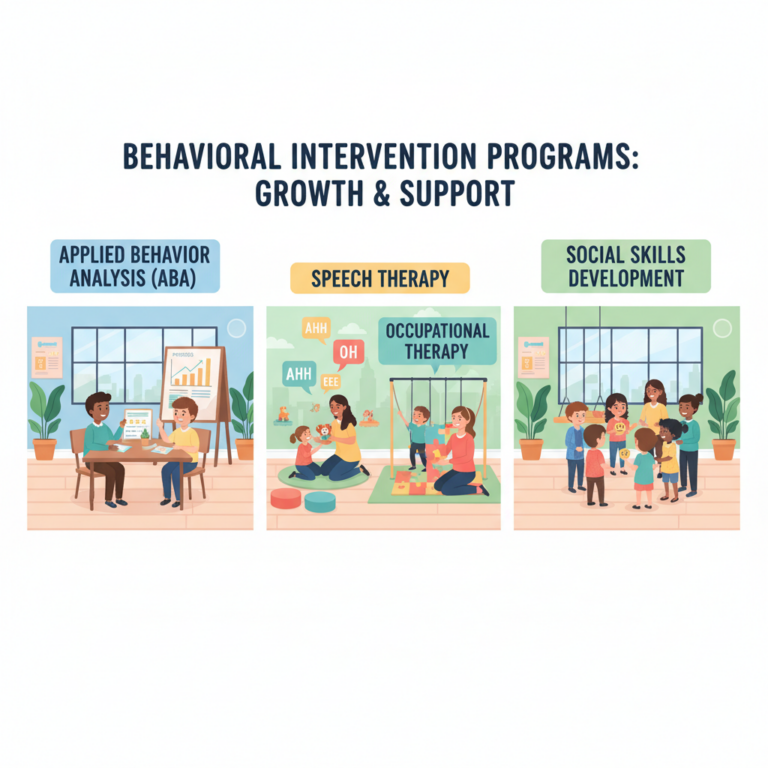
For example, ABA-based providers often integrate telehealth ABA therapy autism with direct social skills work. Speech therapists may focus on conversation, perspective taking, and pragmatic language through teletherapy for speech in autism. Counselors can address emotional regulation and social anxiety through virtual autism counseling services.
What a typical session can include
A standard remote social skills session might involve:
- Brief check-in with you and your child about the past week
- Review of any home practice or “social homework”
- Teaching or modeling a specific skill
- Guided practice using role-play, games, or videos
- Planning how to use the skill in real-life situations
Digital tools often make practice more engaging. Many providers use interactive apps, screen sharing, digital token boards, and, in some cases, virtual or augmented reality environments. These tools can personalize learning and help your child stay motivated during sessions [2].
If you are working with a broader care team, cloud-based platforms can help your therapist coordinate with school staff and medical providers. These platforms support consistent planning and shared data about social goals across home, school, and clinic settings [3].
Benefits for your child and family
Remote social skills therapy can offer meaningful benefits when it matches your child’s needs and your family’s circumstances. Understanding these advantages helps you see where telehealth might fit into your long-term telehealth autism care plan.
Comfort and reduced anxiety
Many autistic children experience bright lights, crowded waiting rooms, and unfamiliar environments as stressful. Meeting from home allows your child to:
- Stay in a familiar sensory environment
- Have easy access to comfort items or calming tools
- Transition directly from a known routine into the session
When anxiety and sensory overload are lower, your child may be more able to focus on learning and practicing new social skills [1].
Expanded access to experienced providers
If you live in a rural or underserved area, local options for autism-specific social skills groups may be limited. Remote therapy removes many geographic barriers and allows you to connect with specialists who might otherwise be out of reach. This is especially valuable when you are seeking providers with experience in complex communication needs or co-occurring mental health concerns [1].
Services such as telehealth autism support programs and a dedicated telehealth autism center can help you access a coordinated team without long drives or extended time off work.
Flexible scheduling and home integration
Telehealth sessions eliminate travel time, parking, and waiting room delays. This flexibility can make it easier to:
- Schedule therapy around school and work
- Maintain consistent attendance
- Involve both caregivers when possible
Because sessions happen in your home, the therapist can also see your child’s actual routines and help you embed social practice in daily life. This might include greeting siblings, following family rules during meals, or playing cooperative games after school, all supported through home-based virtual autism support.
Better parent involvement and confidence
Remote social skills therapy naturally invites you into the learning process. Many programs are designed as parent-mediated interventions. In these models, you attend sessions to learn how to coach your child, and then you practice strategies during everyday interactions.
A strong example is the telehealth adaptation of PEERS for Preschoolers (P4P), a 16 week, parent-only social skills program for children ages 4 to 6 who have difficulty making and keeping friends. Delivered via Zoom, P4P showed high attendance, low dropout, and near complete homework completion in a pilot study of 30 families [4]. Parents reported greater confidence in social coaching and observed meaningful improvements in their children’s social behavior.
You can access similar approaches through online parent training autism, remote coaching for parents of autism, and broader online autism intervention programs.
Types of remote services that build social skills
Social skills do not sit in a single silo. They are connected to language, behavior, emotions, and family dynamics. Telehealth makes it possible to combine services that address each of these areas.
Telehealth ABA focused on social behavior
Applied Behavior Analysis is often used to break complex social skills into smaller, teachable steps. Through remote behavioral intervention autism and telehealth ABA therapy autism, a behavior analyst can:
- Assess your child’s current social strengths and challenges
- Identify realistic, functional goals such as “asking to join a game” or “accepting ‘no’ calmly”
- Use modeling, prompting, and reinforcement to teach each step
- Collect ongoing data and adjust strategies based on progress
Technology is central in many modern ABA models. For example, virtual reality and augmented reality tools can simulate social situations like ordering at a restaurant or meeting someone new. These environments allow your child to practice at their own pace and reduce anxiety by offering repeatable, predictable scenarios [5]. AI-based platforms can adjust tasks based on your child’s responses and provide precise information about learning patterns [5].
To ensure quality, some providers rely on virtual functional behavior assessment and virtual ABA supervision services. These services allow supervisors to observe sessions remotely, train technicians, and collaborate with you on safety and effectiveness.
Teletherapy speech and language services
If your child struggles with conversation, understanding hidden meanings, or reading social cues, speech therapy can be a key piece of the puzzle. Through teletherapy for speech in autism, speech-language pathologists can work on:
- Initiating and maintaining back-and-forth conversation
- Understanding nonliteral language such as jokes or sarcasm
- Interpreting tone of voice and facial expressions
- Repairing communication breakdowns
Many speech therapists use social stories, role-play, and video modeling. Apps like Social Express, for example, use video scenarios and interactive choices to help autistic individuals observe social interactions, make decisions about responses, and receive feedback [3]. When combined with real-world practice at home and school, these tools can strengthen social understanding and confidence.
Remote counseling and family support
Social challenges are often tied to anxiety, low self-esteem, or past experiences of bullying. Virtual family counseling autism and virtual autism counseling services create space for your child and family to talk about emotions related to friendships, school, and community participation.
Remote psychotherapy relies heavily on building a trusting relationship through a screen. Therapists use active listening, empathy, and clear communication to create a safe, supportive environment, which can improve outcomes for children and teens [6]. You may discuss topics such as:
- Coping with social rejection or misunderstandings
- Managing worry before social events
- Supporting siblings who may feel left out or confused
- Aligning caregiver expectations about social goals
Since telehealth makes it easier to bring multiple caregivers or family members into sessions, it can also support consistent approaches at home.
Technology tools that support social learning
The digital side of remote social skills therapy is more than just a video call. Several categories of tools can enhance engagement and personalize learning.
Many modern social skills programs combine live therapist interaction with technology such as apps, VR, AI, and cloud-based platforms to create structured, personalized practice environments for autistic individuals.
Interactive apps and games
Interactive apps and games are used widely in remote autism developmental support and social skills training. These tools may include:
- Emotion recognition games
- Social stories with choices and branching outcomes
- Cooperative online games that require turn-taking and communication
These activities provide repeated practice in a low stakes environment and can be paired with real-world tasks, such as trying the same skill with a sibling or classmate [5].
VR, AR, and emotion recognition software
Virtual reality and augmented reality platforms can present realistic but controlled social situations such as classroom interactions, playground experiences, or community errands. Autistic individuals can practice navigating these scenarios over and over, building familiarity and confidence without real-world consequences [3].
Emotion recognition software provides feedback on facial expressions and emotional cues. Through repeated practice, your child can learn to identify emotions more accurately and choose socially appropriate responses, which can directly support goals set in your telehealth therapy for autism spectrum.
Cloud-based collaboration and AI support
Cloud-based tools allow therapists, families, and education teams to share notes, data, and video examples. This shared view helps everyone stay aligned on your child’s social goals and progress [3].
AI-powered platforms can adjust the difficulty or type of social tasks in real time based on your child’s responses. For example, if your child easily identifies basic emotions, the system might introduce more complex blends like “embarrassed” or “proud,” ensuring ongoing challenge and engagement [3].
Although these technologies can be powerful, it is important to remember that they are designed to support, not replace, human interaction. Real-world conversations and relationships remain essential for deep understanding and generalization of skills [5].
Challenges and how to address them
While remote social skills therapy offers clear advantages, it also presents challenges that you will want to plan for in advance.
Limited real-world peer interaction
One concern is that online sessions may reduce opportunities for in-person group activities and organic peer interaction. Virtual groups can simulate social settings, but they do not fully replace playgrounds, classrooms, or community experiences.
To address this, you can:
- Ask your provider to include structured goals that must be practiced offline
- Coordinate with school teams to reinforce skills during recess or group work
- Schedule regular playdates or community activities where your child can apply what they learn
Balancing screen-based practice with real-world social experiences helps prevent skills from staying “trapped” inside therapy sessions [1].
Parent time and energy demands
Remote therapy often relies heavily on you to create a good environment, support your child during sessions, and carry over practice throughout the week. This is especially true in parent-mediated programs where you are the main interventionist between visits.
Research on telehealth social skills programs like P4P shows that parents can succeed with this model, reporting high satisfaction, strong homework completion, and increased confidence in coaching their child [4]. At the same time, it is realistic to expect that this level of involvement will require planning and support, especially if you work full time or care for multiple children [1].
When you meet with potential providers, you can ask about:
- Typical weekly time commitment for caregivers
- Support tools such as videos, handouts, or text reminders
- How they help you adjust expectations during high stress periods
Technology, connection, and communication barriers
Internet issues, device problems, or unfamiliar software can disrupt sessions. Therapists also report that reduced body language cues and screen fatigue can make it more difficult to read emotions and build rapport, especially for clients already struggling with social communication [7].
You and your provider can work together to reduce these barriers by:
- Testing equipment and internet speed before the first session
- Setting up a quiet, private, well lit space with the camera at eye level [6]
- Using headphones to improve audio quality and privacy
- Agreeing on backup plans, such as phone calls, if video fails
Despite the obstacles, many therapists report feeling effective in remote work, and a majority believe their clients are comfortable with online sessions. Most also expect telehealth to remain a core part of clinical practice in the future [8].
Privacy and confidentiality
Protecting your child’s privacy is essential. Sound carries through walls, and unsecured platforms can create risk. You can support confidentiality by:
- Choosing providers who use secure, encrypted platforms
- Holding sessions in a private space and limiting background noise
- Using headphones so others cannot hear sensitive information
- Keeping software updated and password protected
Therapists are encouraged to discuss technology risks with you and to obtain informed consent for remote work, which includes how data is stored, how emergencies are handled, and what steps they take to maintain security [6].
Your role as a parent or caregiver
In remote social skills therapy, you are not just an observer. You are a central member of the treatment team. Your daily interactions with your child provide the most powerful opportunities for practice and growth.
Coaching social skills in daily life
Parent-mediated interventions often teach you specific coaching strategies. One example from the P4P program is the “4 P’s” approach: priming, prompting, praising, and providing corrective feedback [4]. In practice, this can look like:
- Priming: Briefly reviewing a target skill before a playdate, such as “Today we are going to practice asking what game your friend wants to play.”
- Prompting: Offering a gentle cue in the moment, for example, “What could you say to invite your friend to join?”
- Praising: Immediately acknowledging attempts, “You asked your cousin what he wanted to play. That helped you both choose together.”
- Providing corrective feedback: Calmly suggesting a different approach, “Next time, instead of walking away, you could say, ‘I need a break.’ Let us practice that line together.”
You can learn and refine these strategies through online parent training autism and remote coaching for parents of autism, guided by your child’s broader telehealth autism care plan.
Coordinating with your child’s team
Effective social skills support usually involves several people: therapists, teachers, family members, and sometimes peers. Telehealth can make collaboration easier by allowing:
- Joint meetings between school and clinic providers
- Shared access to data and session notes through telehealth services autism center platforms
- Consistent messaging about expectations and strategies across environments
You can help by sharing information about upcoming events, changes in routine, or new concerns so that your team can adjust goals and supports in real time.
Deciding if remote social skills therapy is right for you
Every family’s situation is unique. Remote social skills therapy may be a good fit if you:
- Have limited access to autism specialists locally
- Need scheduling flexibility or reduced travel
- Want to play an active role in coaching your child
- Have reliable internet and a private space for sessions
You might also decide to use a blended model. For example, you may combine clinic-based groups with home-based virtual autism support or pair online autism intervention programs with local recreational activities.
As you explore your options, you can ask potential providers about:
- Their experience delivering remote social skills support
- How they incorporate ABA, speech, counseling, and family work
- Technology platforms and privacy protections
- Expectations for your involvement and home practice
- How they measure and share progress with you
Remote social skills therapy is not a one size fits all solution. However, with thoughtful planning, the right tools, and strong collaboration between you and your providers, it can become a powerful part of your child’s social and emotional development journey.