Understanding remote behavioral intervention for autism
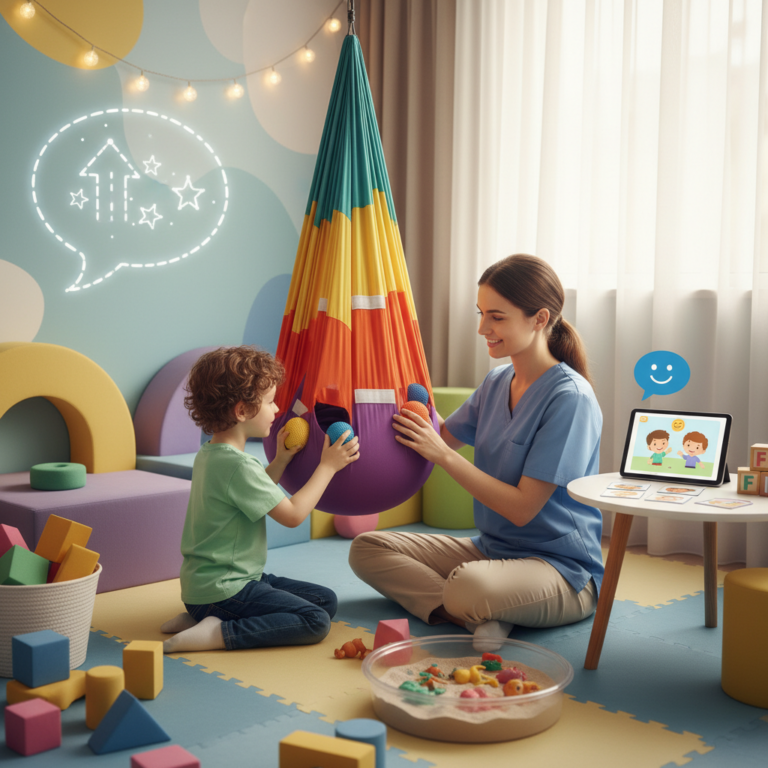
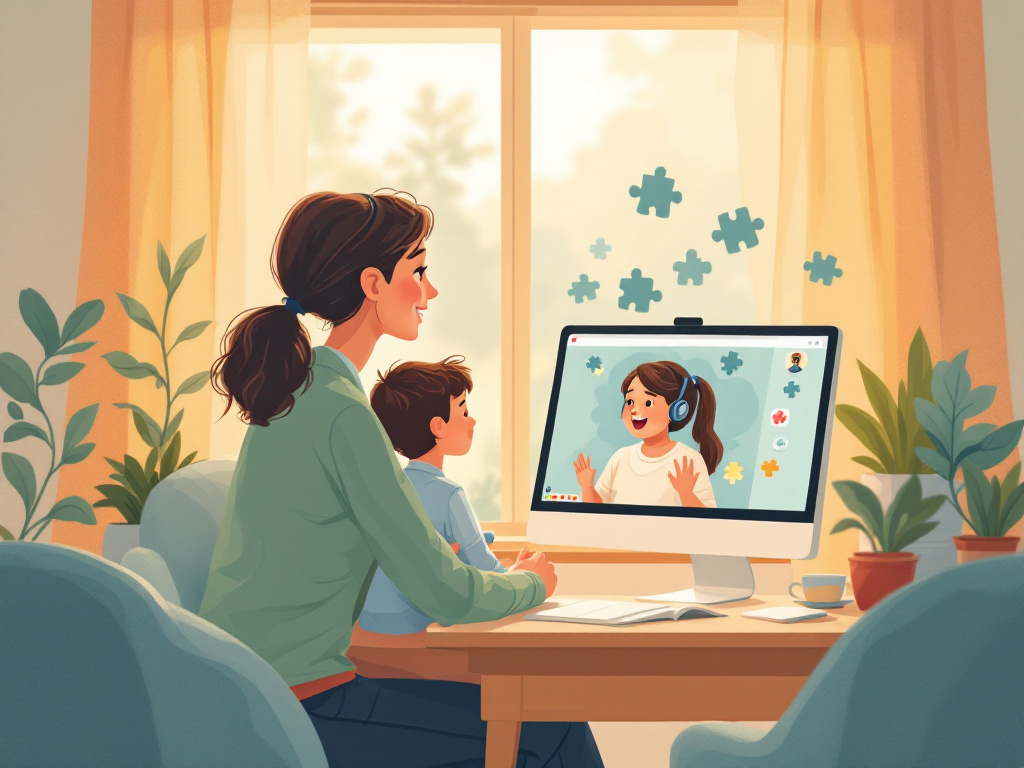
Remote behavioral intervention for autism uses telehealth technology so your child can receive therapy at home instead of in a clinic. Services are typically delivered through secure video platforms, interactive apps, and online learning tools. This approach is often called telehealth ABA, teletherapy, or virtual autism support, and it can include behavior therapy, speech therapy, and parent coaching.
For many families, remote behavioral intervention for autism is not just a convenience. It can be the difference between getting consistent, high quality services and having little or no access. Telehealth removes geographic barriers so you can work with specialists who might not be available in your local area, especially if you live in a rural or underserved community [1].
Research suggests that telehealth delivered ABA and other behavioral supports can be as effective as in person services for many goals, including social communication and daily living skills, particularly for children with mild to moderate support needs [2]. At the same time, it does place new responsibilities on you as a caregiver, so understanding how it works and how to prepare is essential.
Types of remote behavioral services you can use
Remote behavioral intervention for autism is not one single service. It is a group of options you can combine into a tailored support plan for your child and family.
Telehealth ABA therapy and supervision
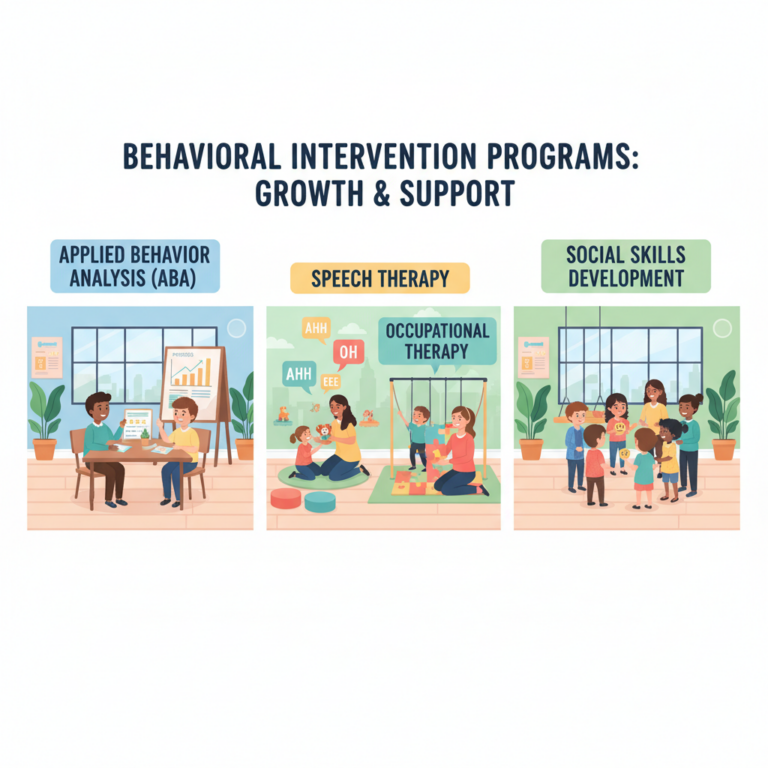
Applied Behavior Analysis, or ABA, is one of the most common behavioral approaches used with autistic children. Through telehealth ABA, a Board Certified Behavior Analyst (BCBA) or another qualified professional connects with you and your child online to deliver services.
You might encounter several formats:
- Direct telehealth therapy where your child works with a technician or therapist online
- Caregiver implemented interventions where you receive live coaching in how to run strategies yourself
- Hybrid models that blend virtual oversight with in person support if available in your area
Studies have found that telehealth ABA can match the effectiveness of in person sessions for many children. One review reported that 88 percent of participants made measurable progress in remotely delivered ABA programs [2]. Another systematic review of 28 telehealth ABA studies found that every study reported improvement in at least one target area, and 61 percent saw gains across all measured outcomes [3].
If you already work with a BCBA, you can ask whether they offer telehealth aba therapy autism or virtual aba supervision services so you can continue or expand services remotely.
Virtual autism therapy and intervention programs
Beyond ABA, you can access a wide range of virtual autism therapy services that target communication, emotional regulation, and daily living skills. These might include:
- Structured online autism intervention programs with live sessions and between session practice
- Online autism therapy for children focused on play based learning and visual supports
- Remote autism developmental support that follows your child’s developmental profile rather than a strict age based model
Telehealth programs often use Natural Environment Teaching, or NET, which embeds goals into daily routines. Research on telehealth delivered NET shows that when parents are coached to use these strategies at home, children increase critical skills such as requesting, joint attention, eye gaze, and imitation, and parents report feeling more empowered and engaged [4].
Speech, social skills, and counseling online
Remote behavioral intervention for autism frequently includes related services that support communication and emotional health.
You might explore:
- Teletherapy for speech in autism to work on articulation, language, and social communication
- Remote social skills therapy to practice conversation, turn taking, and friendship skills in a safe online setting
- Virtual autism counseling services to address anxiety, mood challenges, or behavioral concerns
- Virtual family counseling autism to help everyone in your household adjust routines and expectations
Evidence suggests that telehealth speech and behavioral therapies can be as effective as in person services for many children, while therapies that rely heavily on physical prompts, such as some occupational therapy activities, may still work better in person [1].
Parent coaching and training services
One of the most powerful parts of remote behavioral intervention for autism is parent coaching. Instead of only watching from the sidelines, you receive direct support in how to use strategies in daily life.
You can look for:
- Online parent training autism programs that teach core behavior and communication tools
- Remote coaching for parents of autism that provides live modeling and feedback
- Telehealth based parent coaching models integrated into telehealth autism support programs
The ATHENA telehealth program is one example of a parent coaching model. Over six months, it combined live and app based support for parents of toddlers with autism or developmental risk. Families reported lower stress, greater sense of control, and improved child learning outcomes [4]. Similar models are now built into many telehealth autism care plans.
How remote behavioral intervention sessions usually work
Every provider runs sessions a little differently, but most remote behavioral intervention for autism follows a similar structure. Understanding what to expect can make it easier for you and your child to adjust.
Assessment and goal setting
You will typically begin with an intake process where the clinician gathers information about your child’s strengths, challenges, and daily routines. In remote services, this often includes:
- Interviews with you and other caregivers
- Questionnaires or rating scales you complete online
- Observation of your child via video
- In some programs, a virtual functional behavior assessment to understand why certain behaviors are happening
From there, the provider creates a telehealth autism care plan with specific, measurable goals. Best practice calls for a written treatment plan that includes diagnosis, baseline data, mastery criteria, prioritized treatment areas, and regular updates based on progress or new concerns [5].
Session formats and your role
Telehealth sessions can look different depending on your child’s skills and the service model. Common options include:
- Technician or therapist led sessions while you stay nearby for support
- Joint sessions where you participate with your child and receive in the moment coaching
- Parent only meetings where you review data, troubleshoot behaviors, and learn new strategies
Research has shown that telehealth can be effective across levels of caregiver involvement. In one study with seven children, four participated in technician led telehealth without caregiver assistance, two needed caregiver assisted sessions, and one received caregiver implemented telehealth, with all children mastering their target skills and maintaining them afterward [6].
Your provider should help you decide which format fits your child’s attention, communication level, and comfort with technology.
Technology and environment
Effective remote behavioral intervention for autism requires a stable technology setup and a reasonably distraction controlled environment. You do not need an advanced system, but you will generally need:
- A device with a camera and microphone
- A reliable internet connection
- A private space where your child can see and hear the therapist clearly
- Access to any materials the therapist recommends, such as visual schedules or simple toys
Healthcare professionals highlight that lack of devices, limited tech knowledge, and poor internet can be real barriers for some families [7]. If you anticipate challenges, share them early so your provider can help problem solve.
Benefits of remote behavioral intervention for autism
Remote services offer more than convenience. When they are used thoughtfully, they can create meaningful advantages for your child and family.
Improved access and continuity of care
Telehealth options like a telehealth autism center or telehealth services autism center make it possible to work with qualified professionals even if you live far from specialty clinics. This is especially important in regions with few BCBAs or autism specialists. Telehealth ABA has helped address shortages in places such as the United Kingdom, Ireland, and remote regions of Canada by extending expert support through remote coaching [4].
During disruptions such as illness, weather events, or public emergencies, telehealth also allows you to maintain services instead of pausing them. Studies from the COVID 19 period found that telehealth based ABA maintained or even improved social communication skills, including eye gaze and requesting, when in person sessions were not possible [4].
Strong parent involvement and empowerment
Because telehealth brings therapy into your home, you are naturally more involved. Providers coach you in real time while you interact with your child, and you practice strategies across everyday activities, not just in a clinic.
Several studies highlight this effect:
- Parent mediated telehealth ABA has shown parent adherence above 97 percent and high treatment integrity, with significant improvements in children’s communication skills [4].
- A broad review of telehealth ABA studies found that 86 percent of interventionists were parents who had been trained through technology based modules and coaching, and telehealth delivery still produced consistent child gains in communication and behavior [3].
In practice, this means you build skills you can keep using long after formal services end.
Cost effectiveness and flexibility
Remote behavioral intervention for autism can lower travel costs, reduce time away from work or school, and simplify scheduling. Research suggests that telehealth ABA can cut the cost of delivering services by half in some models [3], and more recent work reports that telehealth ABA may be up to six times less expensive than traditional face to face care while still producing strong improvements in child behavior and skills [8].
Telehealth also tends to offer more flexible hours, such as evenings or weekends, so you can fit sessions into your family routine more easily. Programs that focus on home-based virtual autism support are designed with this flexibility in mind.
Challenges and how to manage them
Remote behavioral intervention for autism is not a perfect fit for every child or every family. Being realistic about potential barriers can help you make better decisions and plan ahead.
Caregiver workload and supervision
Many effective telehealth models rely heavily on you as the caregiver. You might need to:
- Prepare the environment before sessions
- Stay nearby to support attention and behavior
- Implement strategies between sessions
- Manage siblings, pets, and other distractions
In one survey, parents of autistic children voiced more concern than professionals about the level of parental involvement required for telemedicine and the possibility that their child’s behavior might change during online sessions [7]. These worries are valid, especially if you are already stretched thin.
If you feel overwhelmed, let your provider know. Some programs can adjust session frequency, offer shorter meetings, or provide additional parent only coaching to make the load more manageable.
Child readiness and appropriateness
Not every child is ready for direct telehealth therapy without adaptations. Children benefit most from client only sessions if they can:
- Follow simple one step directions
- Attend to the screen for short periods
- Tolerate remote interaction with adults
- Use basic motor skills to manipulate materials on camera
If your child is not yet comfortable with these skills, telehealth can still work, but you will likely need caregiver assisted or caregiver implemented models. Providers who specialize in telehealth therapy for autism spectrum should help you choose a format that fits your child’s developmental profile [5].
Technology, privacy, and equity concerns
Telehealth relies on technology and raises valid questions around data security and equal access. Professionals report concerns about:
- Families without adequate devices or internet access
- Limited technology skills that make platforms hard to use
- The impact of more severe autism symptoms on suitability for remote care [7]
- Data security and privacy when using new tools like AI or virtual reality [1]
To protect your family, you can ask providers:
- Which secure, health compliant platforms they use
- How sessions are recorded or stored, if at all
- How they handle emergencies during remote care
- Whether they can offer low tech options or phone based coaching when internet is unstable
If you feel unsure, a telehealth autism center can often explain their privacy and security practices in plain language.
Practical tips to get the most from remote intervention
Once you decide to use remote behavioral intervention for autism, there are specific steps you can take to make it as effective and sustainable as possible for your family.
Prepare your space and routine
You do not need a perfect setup, but a few consistent choices can make sessions smoother:
- Choose a quiet, predictable spot in your home and try to use it for most sessions
- Reduce background noise by turning off TVs and limiting other devices during therapy
- Keep basic materials nearby, such as preferred toys, simple art supplies, or snacks if they are used as reinforcers
- Build a simple pre session routine, such as a visual schedule or a countdown, so your child knows what is coming
If you are using multiple services, such as virtual autism therapy services plus virtual family counseling autism, a weekly calendar can help you track times and avoid overlap.
Stay engaged as a collaborator
No one knows your child as well as you do. Your observations are critical to shaping an effective plan. During sessions and check ins:
- Share what is working and what is not working between visits
- Ask your provider to model strategies with your child while you watch, then practice while they coach you
- Request written summaries or short videos of techniques so you can review them later
- Be honest about your capacity, including work schedules, stress, and other caregiving responsibilities
If you want a more structured learning path, you can enroll in online parent training autism or combined telehealth autism support programs that include both child sessions and parent coaching.
Integrate strategies into daily life
One of the strengths of telehealth is that it lets you practice skills in the exact environment where your child lives and learns. You can:
- Use communication strategies at mealtime, in the car, or before bed
- Embed social skill practice during calls with relatives or in online peer groups supported by remote social skills therapy
- Apply behavior tools, such as visual schedules or token systems, across schoolwork, chores, and transitions
Research on Natural Environment Teaching shows that when parents implement strategies in everyday contexts with telehealth support, children’s communication and engagement improve and parents report feeling more confident in supporting their child [4].
Monitor progress and adjust your plan
Remote behavioral intervention for autism should never be static. Over time, you and your providers can use data and observations to refine goals and methods. You can expect:
- Regular review of your child’s progress toward measurable targets
- Adjustments in strategies if you are not seeing expected gains
- Conversation about when to increase, maintain, or fade services
- Coordination across your telehealth services autism center team if you use multiple providers
You can support this process by keeping simple notes on new skills, challenging moments, and questions that arise between sessions.
Deciding whether remote behavioral intervention is right for you
If you are weighing remote behavioral intervention for autism, it can help to ask yourself a few key questions:
- Do you have basic access to a device and internet, or can your provider offer alternatives if not
- Are you open to playing an active role in your child’s sessions and practice between visits
- Does your child tolerate short periods of online interaction, or can you work toward that with support
- Would eliminating travel make therapy more feasible in your weekly schedule
- Are you willing to collaborate closely with your provider on a structured, data driven telehealth autism care plan
There is no single right answer. For many families, a blended model that combines virtual services with occasional in person supports works best. You can start by exploring options such as online autism therapy for children, virtual autism counseling services, and home-based virtual autism support, then adjust as you learn what fits your child and your household.
Remote behavioral intervention for autism is still evolving, but the evidence already shows that with the right structure, collaboration, and support, it can open doors to effective, flexible care that might otherwise be out of reach.
References
- (Linksaba)
- (Inclusive ABA)
- (PMC)
- (Advanced Autism)
- (Behavior Frontiers)
- (PMC)
- (PMC)
- (Mastermind Behavior)