If you’re exploring parent counseling autism, you’re taking an important step toward strengthening your family’s resilience. Parent counseling for autism can provide you with guidance, strategies, and emotional support as you navigate the unique challenges of raising a child on the spectrum. Through personalized sessions, you’ll learn how to improve communication, manage stress, and foster a supportive home environment tailored to your child’s needs. This article will walk you through the fundamentals of parent counseling, outline the benefits you can expect, and help you integrate new skills into everyday life. By the end, you’ll understand why parent counseling autism is a positive step for you and your family.
Understanding parent counseling autism
Parent counseling for autism focuses on equipping you, the caregiver, with tools to address both daily and long-term concerns. While many interventions center exclusively on the child, parent counseling shifts the spotlight to your role in reinforcing progress and sustaining growth outside of therapy sessions. It bridges gaps in communication, aligns parenting approaches, and brings clarity to behavioral triggers.
According to a March 2023 CDC press release, about 1 in 36 (2.8%) children in the United States have been identified with Autism Spectrum Disorder, representing a 22% increase from 2018 when the prevalence was 1 in 44 (2.3%) [1]. Faced with this growing demand, many families report high levels of stress, anxiety, and frustration.
Family members of individuals with ASD often experience high levels of stress, anxiety, depression, and reduced parental efficacy, highlighting the need for interventions that support both individuals with ASD and their wider family network. [2]
This underscores why parent counseling autism matters: you can’t pour from an empty cup. Whether you’re managing meltdowns, navigating school meetings, or balancing work and therapy schedules, counseling offers a structured space to process challenges and strategize solutions. It also acknowledges that traditional psychological treatments often focus on the individual with ASD but rarely target the broader family system’s communication dynamics [2]. By centering your experience, counseling promotes a unified approach, ensuring everyone in the household moves toward shared goals.
Over the last decade, researchers have called for rigorous trials to gauge the true clinical utility of family therapy and related systemic interventions for ASD families, including sibling and multigenerational support [2]. While empirical evidence continues to evolve, many families are already benefiting from parent counseling autism by accessing customized resources, professional guidance, and community networks that normalize their journey.
Key benefits of parent counseling
One of the most immediate gains you’ll notice in parent counseling autism is improved understanding of your child’s communication style. Sessions teach you to decode subtle cues—tone of voice, body language, repetitive behaviors—that often signal needs or distress. This clarity reduces misunderstandings and builds empathy on both sides.
Counseling also protects your emotional well-being. A strong support system is essential when you’re juggling appointments, school meetings, and home routines. Regular check-ins with a counselor help you manage stress, prevent burnout, and maintain perspective. You’ll learn coping strategies that extend beyond your child’s behavior such as mindfulness, timed breathing exercises, and cognitive reframing—tools that can be lifesavers on tough days.
Beyond your mental health, counseling often boosts your confidence as a caregiver. As you practice new skills and witness positive responses, your belief in your own abilities strengthens. In fact, research on the WHO’s Caregiver Skills Training (CST) program shows that parent-led strategies improve communication and emotional regulation in children while increasing caregiver confidence and reducing stress [3]. Mukri Yilma’s experience in Maryland highlights how “respond and expand” techniques helped her son Kibur move from one-word responses to full sentences in social settings.
You’ll also develop a more cohesive family dynamic. Many programs integrate group learning where you connect with other caregivers. Shared stories reinforce that you’re not alone and spark practical ideas you can adapt to your household’s needs. Whether you seek one-on-one guidance or prefer a communal environment through parent support for autism families, you’ll find collective wisdom paves the way for lasting change.
Finally, parent counseling autism sets the stage for ongoing progress. Unlike a single training event, ongoing counseling monitors your growth, adjusts strategies based on real-world feedback, and builds a robust framework that evolves as your child develops new skills and faces new challenges.
Counseling methods and approaches
Parent counseling autism can encompass a variety of evidence-informed techniques. Each approach targets different facets of your experience—from understanding autism’s neurological basis to mastering precise behavior-shaping tools.
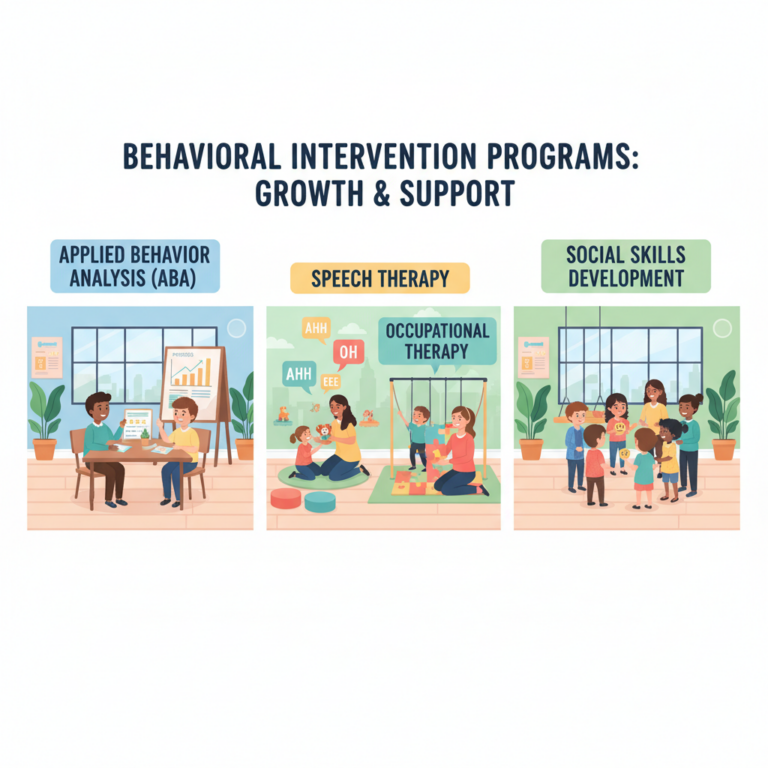
Applied Behavior Analysis (ABA) principles often underlie many counseling models. Rather than focusing solely on the child, parent training ABA techniques teach you how to reinforce positive behaviors, set clear expectations, and use consistent, fair consequences. Studies show that ABA-based parent training improves child outcomes and reduces caregiver stress [4].
Cognitive Behavioral Therapy (CBT) for parents addresses worry, negative thought patterns, and perfectionism that can accompany chronic caregiving demands. You’ll work with a counselor to identify unhelpful beliefs, practice problem-solving, and develop self-soothing rituals. Many parents find CBT increases their emotional resilience, making it easier to handle sudden behavioral escalations.
Family systems or relational therapies view your household as an interconnected network. A counselor at a family therapy autism center ensures that siblings, co-parents, and extended family members participate. This method clarifies roles, tackles communication breakdowns, and promotes harmony in disciplinary approaches. By aligning everyone’s strategy, children receive consistent messages and support from multiple adults.
The DIR (Developmental, Individual Differences, Relationship-Based) model—sometimes called “Floortime”—emphasizes following your child’s lead to build social, emotional, and intellectual capacities. Counseling may include live coaching where a therapist guides you in real time as you play or interact with your child. This hands-on feedback helps you translate theory into everyday practice.
For convenience, many families opt for telehealth. Virtual sessions can include video analysis of interactions, shared digital workbooks, and remote role-play. Research on telehealth delivery—covering synchronous, asynchronous, and hybrid formats—demonstrates feasibility and promising early outcomes, though some parents still prefer in-person visits for nuanced observation [5].
If you’d like a blended approach, specialized autism parent coaching services often combine live coaching, structured homework, and periodic assessments. Your coach can tailor ABA, CBT, DIR, and family systems work to match your goals—whether that’s reducing meltdowns, improving social engagement, or bolstering sibling relationships.
Finding the right program
Choosing where to receive parent counseling autism is a crucial decision. You’ll want to evaluate format, credentials, specialty areas, and logistical factors such as cost and scheduling flexibility.
Start by clarifying your primary goal. Are you most concerned with behavioral management, sibling stress, or co-parent communication? Then look for programs that emphasize those focus areas. Many centers list dedicated services such as group workshops, sibling sessions, or individual coaching.
Verify credentials. Seek licensed professionals—board-certified behavior analysts (BCBAs), licensed clinical social workers (LCSWs), or psychologists—with autism-specific training. Confirm certifications relevant to your priorities, whether in ABA, family systems, or cognitive therapies.
Consider format. Telehealth lets you connect with specialists nationwide and review recorded sessions at your own pace. In-person counseling offers richer observation opportunities, especially for DIR-style coaching that relies on real-time feedback.
Assess program structure. Some families thrive with a defined series—twelve weekly sessions, for example—while others prefer ongoing access. The WHO’s Caregiver Skills Training (CST) program exemplifies a structured curriculum paired with home visits [3]. Inquire about booster sessions or periodic check-ins once the initial series concludes.
Budget matters. Many insurance plans now cover parent counseling, especially via telehealth. Ask about sliding-scale fees, nonprofit clinics, or university research programs that offer reduced rates. Don’t overlook local grants or autism-focused foundations.
Finally, trust your instincts. During introductory consultations, notice how the counselor listens, responds, and involves you in goal-setting. A collaborative relationship built on respect is the foundation for meaningful progress.
Preparing for counseling sessions
Before your first parent counseling session, taking a few preparatory steps can help you make the most of your time with a professional. Consider the following checklist:
- Reflect on your goals and priorities: Identify two or three specific outcomes you hope to achieve through counseling.
- Gather observations: Keep a brief journal of challenging moments, successful interactions, and any triggers you notice over a week.
- Note your questions: Write down concerns about behavior, communication hurdles, or sibling dynamics to discuss.
- Compile relevant documents: If available, bring past assessments, school reports, or therapy progress notes for context.
- Establish a consistent schedule: Treat sessions like important appointments; choose a cadence that fits your routine and stick to it.
Entering each meeting with clear objectives and real-world examples accelerates the coaching process. It also empowers you to document progress, compare strategies, and fine-tune your approach as you go.
Sustaining progress at home
Parent counseling autism lays the groundwork, but embedding new practices into daily life is what drives lasting change. You and your counselor will co-create tools that you then practice at home—visual schedules, social stories, or emotion-coaching scripts.
Consistency is key. According to a March 2025 report by Advanced Autism Services, parental involvement in autism therapy significantly enhances intervention outcomes by reinforcing skills at home, improving generalization, and increasing overall intervention time [4]. By dedicating just 10 to 15 minutes each day to targeted exercises, you multiply your child’s learning opportunities.
You can bolster progress with supplementary offerings. Online modules like training for autism at home align with your counseling goals, while resilience training for caregivers teaches self-care rituals that prevent burnout.
Tracking outcomes matters. Simple charts or mobile apps let you record the frequency of target behaviors and note trends. Sharing these records during sessions allows your counselor to adjust strategies—perhaps introducing a token system when verbal requests increase or tweaking a visual cue based on your child’s evolving skills.
Expect both setbacks and breakthroughs. Open communication with your counselor ensures you’re never left troubleshooting alone. Booster sessions or mini check-ins keep you accountable and motivated.
Celebrate every milestone—storming ahead in social play, expressing needs with fewer meltdowns, or collaborating on family routines. These wins prove that parent counseling autism yields benefits that extend far beyond the therapy room.
Additional family resources
Beyond one-on-one counseling, a variety of services and support networks can enrich your journey. The table below offers a quick comparison of popular family-oriented resources:
| Resource type | Description | Link |
|---|---|---|
| Family workshops | Expert-led group sessions on communication and coping | autism family education workshops |
| Caregiver support groups | Ongoing peer groups for emotional support and ideas | support group for autism families |
| Sibling support programs | Sessions geared to brothers and sisters of children with ASD | sibling support for autism |
| Online caregiver toolkits | Downloadable resources, videos, and lesson plans | autism caregiver resources |
| Professional referrals | Connections to specialized therapists and clinicians | counseling for autism caregivers |
Workshops deepen your understanding of core strategies, support groups normalize the ups and downs of caregiving, and sibling programs address brothers’ and sisters’ needs. Meanwhile, online toolkits ensure you can revisit key concepts on demand.
Next steps for parents
Now that you’ve explored the fundamentals of parent counseling autism, here’s how to move forward:
- Review our guidance for autism families page for targeted tips and articles.
- Explore autism parent training programs to find structured curricula that fit your needs.
- Connect with a family therapy autism center or book an initial consultation with a licensed counselor.
- Join a support group for autism families for ongoing community and encouragement.
Every family’s path is unique, but with parent counseling autism at the core, you’ll build skills, confidence, and a roadmap for navigating tomorrow’s opportunities and challenges. Take that positive step today—your family’s resilience depends on it.