You face unique challenges when your family includes a child on the autism spectrum. Finding the right mix of training, counseling, and community support can feel overwhelming at first. This guide offers comprehensive guidance for autism families, equipping you to navigate resources, strengthen relationships, and build lasting resilience.
You’ll discover how to recognize common stressors, select parent training options, engage in family counseling, support siblings, prioritize self-care, connect with community networks, and access educational programs. Each section points you toward practical tools and reputable providers, ensuring you can sustain progress over the long term.
Understand parenting stressors
Parenting a child with autism often brings heightened stress, depression, anxiety, and even physical health risks. Research consistently shows that parents of children with autism experience higher levels of stress-related health issues compared to parents of typically developing children [1]. Recognizing these stressors is the first step toward finding targeted relief.
Common stressors include constant vigilance, financial burdens from therapy costs, sleep deprivation, managing challenging behaviors, and social isolation caused by stigma and misunderstanding.
- Constant need for supervision to prevent meltdowns or risky behavior
- Therapy appointments and coordination with multiple specialists
- Late nights or early mornings due to sleep disturbances
- Guilt or frustration when routines break down in public settings
- Feeling misunderstood by friends, family, and community members
Awareness of these pressures lets you prioritize interventions—whether that’s carving out personal downtime, reaching out for professional help, or rebalancing your family’s daily schedule to reduce tension.
Explore parent training
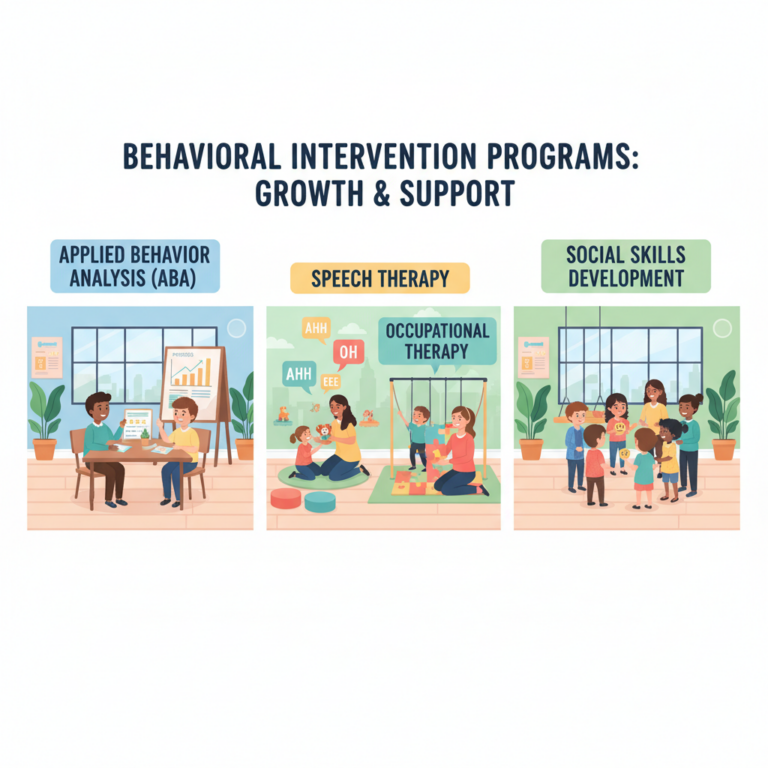
Equipping yourself with hands-on skills can transform daily interactions and boost your child’s progress. A variety of parent training programs focus on teaching evidence-based techniques—especially applied behavior analysis (ABA)—to address communication, social, and behavioral challenges.
Comparing training options
| Program type | Format | Focus area | Learn more |
|---|---|---|---|
| ABA parent coaching | One-on-one or small group sessions | Behavior reduction and skills | parent training ABA techniques |
| Family education workshops | In-person or virtual workshops | Social communication, routines | autism family education workshops |
| Parent coaching services | Ongoing coaching calls or visits | Personalized strategies | autism parent coaching services |
| Home-based training modules | Online self-paced courses | Daily routines and reinforcement | training for autism at home |
Each approach offers different levels of hands-on support. Workshops let you learn alongside other parents and share experiences. Coaching services provide tailored feedback on your child’s specific needs. Home-based modules offer flexibility if scheduling or travel is an issue. Reviewing these formats helps you choose the best fit for your family’s lifestyle.
Engage family counseling
Adding professional counseling can deepen understanding, resolve conflicts, and strengthen bonds across your household. Family counseling interventions bring siblings, parents, and even extended relatives together to address communication patterns and coping skills.
Individual and group counseling
Individual counseling for parents and caregivers focuses on stress management, emotional regulation, and coping strategies. You work one-on-one with a therapist to unpack guilt, learn boundary setting, and develop resilience. For many families, combining individual therapy with group sessions enhances that progress. Support groups or group therapy sessions allow you to connect with peers facing similar challenges. Sharing successes and setbacks often alleviates isolation and sparks new ideas for home routines. Explore counseling for autism caregivers and parent counseling autism to find local and virtual options.
Specialized family therapy
Family therapy sessions bring everyone together under the guidance of a trained professional. These sessions often incorporate play-based techniques for younger children and structured communication exercises for older siblings. You might address topics like coordinating school advocacy, handling public outbursts, or balancing attention among children. Many centers, such as family therapy autism center, offer programs specifically designed to integrate evidence-based therapies with real-world family dynamics.
Support siblings effectively
Siblings of autistic children often navigate their own emotional challenges—jealousy, guilt, confusion, and a sense of responsibility that can feel overwhelming. Research indicates that non-autistic siblings may experience decreased psychological well-being, higher stress levels, and less perceived social support [2]. Proactively supporting siblings helps maintain family harmony and fosters empathy.
You can:
- Provide age-appropriate education about autism to demystify behaviors
- Maintain open, honest communication so siblings feel heard
- Dedicate one-on-one time for fun activities unrelated to therapy
- Encourage siblings to share feelings and ask questions without judgment
The Organization for Autism Research (OAR) offers a comprehensive Autism Sibling Support initiative, including guides like “Autism, My Sibling, and Me” and “Life as an Autism Sibling: A Guide for Teens” [3]. You’ll find practical advice, validation, and strategies to help siblings develop healthy coping mechanisms. For local peer groups and resources, check out sibling support for autism.
Prioritize caregiver self-care
You cannot pour from an empty cup. Sustaining your child’s progress requires that you attend to your own well-being. Prioritizing self-care prevents burnout, strengthens resilience, and models healthy habits for your entire family.
Consider incorporating these self-care practices into your routine:
- Mindfulness or meditation exercises to reduce anxiety
- Setting firm boundaries around work, chores, and social obligations
- Scheduling regular breaks—even short walks or quiet tea time count
- Seeking therapy or peer support through resilience training for caregivers
- Engaging in hobbies or exercise that recharge you mentally and physically
Acknowledging your limits and asking for help when you need it not only preserves your energy but also demonstrates self-advocacy to your child.
Build community networks
Isolation magnifies stress. Connecting with other families and professionals creates a safety net you can rely on for advice, empathy, and shared resources. Over 20% of inquiries received by the Autism Speaks Autism Response Team relate to community support, highlighting the demand for these networks [4].
National and online groups often include:
- Virtual support circles for parents and siblings
- In-person meetups organized by local chapters
- Culturally competent groups such as Autism in Black, Grupo SALTO, and the Black Autism Support Society
- Webinars, conferences, and workshops focusing on the latest therapies and strategies
You can start by browsing support group for autism families and parent support for autism families. Community involvement not only provides practical tips but also fosters a sense of belonging that carries you through tough moments.
Access educational resources
Structured learning opportunities help you refine your techniques, stay current on research, and advocate effectively for your child. Educational resources range from formal programs to peer-led initiatives.
Programs to consider include:
- autism family education programs offered by clinics and non-profits
- autism family education workshops covering topics like communication strategies, sensory supports, and behavior planning
- caregiver training for autism curricula focusing on therapeutic models beyond ABA
- Parent-led webinars and toolkits available through state agencies and autism organizations
Many school districts also host parent training workshops on IEP advocacy, social skills groups, and transition planning for adulthood. Keeping a calendar of these events and inviting a friend to join can boost accountability and motivation.
Sustain progress and growth
Real transformation takes time and consistent effort. As you implement new strategies, track outcomes by noting behavior changes, family stress levels, and areas needing adjustment. Periodically revisit your training modules or counseling sessions to reinforce skills.
Leverage autism caregiver resources to explore fresh ideas, and consider booster sessions for parent training or counseling as needs evolve. Celebrate small victories—whether your child mastered a new routine, siblings cooperated during a challenging moment, or you managed a stressful day with poise.
This holistic approach—combining parent training, counseling, sibling support, self-care, community networking, and education—ensures your family remains resilient and adaptive. By weaving these resources into daily life, you cement progress that lasts well beyond any single program.