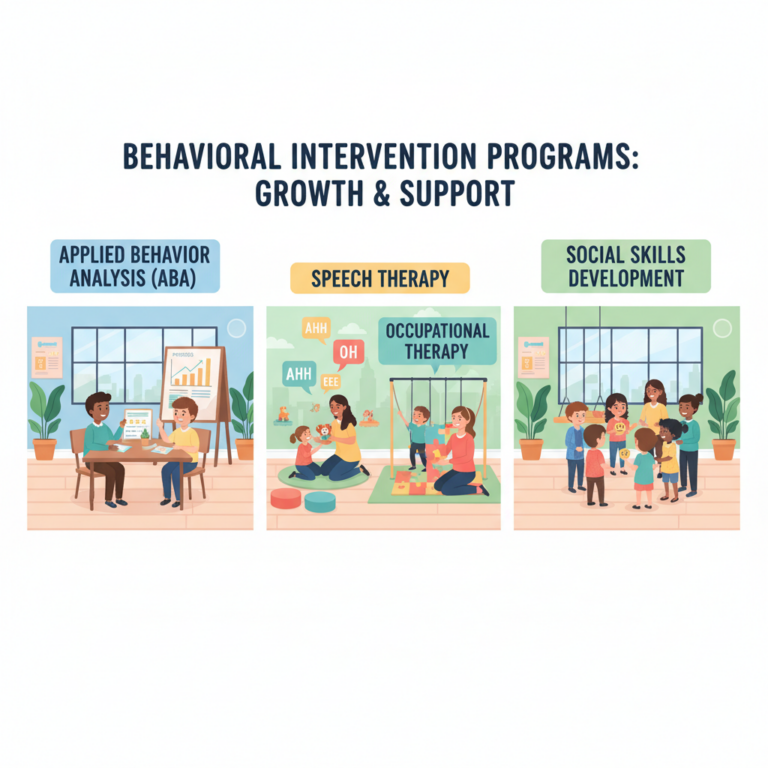
If you’re exploring family counseling autism, you’re already taking a critical step toward strengthening bonds and improving daily life. Family counseling for autism creates a structured environment where everyone—from parents and caregivers to siblings—can learn to communicate effectively, regulate emotions, and tackle challenges together. By involving the whole family, you tap into a powerful support network that fosters understanding and resilience.
Family counseling autism blends specialized techniques such as play-based learning, systemic therapy, and caregiver training to meet the unique needs of families affected by autism spectrum disorder (ASD). As you navigate this journey, you’ll discover practical strategies to reduce stress, enhance social skills, and build stronger connections at home. Let’s explore how family counseling can transform your household dynamics and set you on a path to lasting progress.
Understanding family counseling autism
Family counseling autism aims to improve social interaction skills, emotional regulation, parental knowledge about autism, and effective coping strategies within the household. This approach reduces stress and enhances communication by addressing patterns of misunderstanding and building empathy among family members [1]. You’ll learn to replace unhelpful assumptions with clear, compassionate dialogue so that each member feels heard and valued.
As of 2026, about 1 in 36 U.S. children has ASD, making family-centered interventions more important than ever [2]. By involving parents, siblings, and extended caregivers, family counseling creates a cohesive support system that extends beyond professional sessions into everyday life. When everyone understands their role, you foster an environment where growth and adaptation become part of your family culture.
Goals of family counseling
Family counseling for autism pursues several key objectives. First, it helps your child with ASD improve social communication through structured activities and role-play. Second, it provides parents and caregivers with strategies—like visual supports and positive reinforcement—to manage challenging behaviors. Third, it strengthens emotional regulation for all family members, reducing conflict and increasing patience. Finally, it promotes parental confidence by offering education on autism’s impact and evidence-based interventions, empowering you to advocate effectively for your child.
Your role in the process
Your active participation makes the difference between brief improvements and lasting change. In counseling sessions, you’ll practice skills alongside professionals and receive real-time feedback. Between appointments, you’ll apply these techniques at home, tracking what works and what needs adjustment. By committing to regular practice—whether it’s a daily routine of visual schedules or weekly family meetings—you’ll reinforce new habits that weave therapeutic gains into your family’s rhythm.
Benefits for your family
Family counseling autism delivers a range of advantages that extend far beyond traditional one-on-one therapy. You can expect:
- Improved communication, as everyone learns to express needs and feelings clearly.
- Reduced family stress, with solutions to manage sensory overload and behavioral challenges.
- Enhanced social skills, helping your child engage more comfortably in community and school settings.
- Stronger relationships, built on mutual understanding and trust.
- Parental empowerment, through access to tools and resources that demystify ASD.
Together, these benefits translate into a calmer household where each member feels supported and equipped to face daily challenges.
Key counseling approaches
A variety of family counseling modalities exist, each targeting different aspects of your experience. Many providers combine multiple methods into an integrative plan, which research suggests yields better outcomes in reducing parental stress and improving family cohesion [1]. Here’s a quick comparison:
| Approach | Description | Primary benefit |
|---|---|---|
| Play-based learning | Uses child-led play to encourage expression and joint attention. | Builds trust and social initiation skills. |
| Parent-child interaction therapy (PCIT) | Coaches parents in real time to respond to behaviors. | Strengthens parent-child bond and compliance. |
| Systemic family therapy | Examines family roles and communication patterns. | Resolves conflict and reduces “oughtism” bias. |
| Integrative approach | Blends ABA, CBT, mindfulness, and systems theory. | Addresses behavior, emotions, and relational dynamics. |
Drawing from these approaches, counselors tailor sessions to your family’s strengths and challenges, ensuring every member benefits.
Parent training and skill-building
Equipping you with practical skills is at the heart of effective family counseling autism. Training typically covers Applied Behavior Analysis (ABA) strategies, cognitive-behavioral techniques, and stress-reduction practices that you can implement at home. These sessions empower you to guide progress outside the therapy room and sustain momentum over time.
ABA-based strategies
ABA-based parent training focuses on teaching you how to identify triggers, set clear expectations, and reinforce desired behaviors. Programs like Project ImPACT and the JASPER model have demonstrated effectiveness in improving child social skills, reducing challenging behaviors, and boosting parental adherence to treatment [3]. You’ll learn to break tasks into manageable steps, use consistent praise, and provide immediate feedback—all critical elements in fostering skill acquisition.
You can deepen these practices through parent training ABA techniques or enroll in broader autism parent training programs that include hands-on coaching and video modeling.
Cognitive and mindfulness practices
Behavioral strategies work hand in hand with cognitive interventions like cognitive-behavioral therapy (CBT) to address stress and emotional well-being. Integrating Acceptance and Commitment Therapy (ACT) or Mindfulness-Based Stress Reduction (MBSR) has been shown to lower parental anxiety while supporting consistent intervention implementation [3]. Through guided exercises, you’ll develop techniques for staying present, managing frustration, and modeling calm responses for your child.
To augment these skills, consider resilience training for caregivers or look into behavior coaching for parents that offers targeted support for your unique challenges.
Supporting siblings effectively
Siblings of children with autism often navigate a complex emotional landscape—they may feel overlooked, confused, or burdened by caregiving roles. Family counseling autism includes specific interventions to ensure siblings receive attention and guidance alongside their brother or sister with ASD.
By participating in sibling-focused activities, children learn empathy and practical ways to interact effectively. Programs such as Discover Camp Worth offer tailored social skills training for siblings aged 11 to 17, helping families manage dynamics with structured communication strategies [2]. You’ll be encouraged to schedule one-on-one time with each child and foster open discussions about feelings, which reduces guilt and isolation for siblings.
For ongoing support, explore sibling support for autism or local support group for autism families that welcomes brothers and sisters in shared activities.
Enhancing daily communication
Consistent, clear communication is the backbone of successful family counseling autism. Simple strategies like active listening, visual supports, and structured routines help everyone know what to expect and how to express needs.
Active listening involves giving your child undivided attention, reflecting back their words, and validating their emotions. Visual schedules or choice boards can reduce frustration by laying out tasks step by step. In some cases, incorporating role-playing or social stories from autism family education programs boosts understanding of complex social situations.
When you establish predictable mealtimes, homework slots, and leisure periods, you minimize surprises that can trigger anxiety. You might also attend autism family education workshops or follow guides for training for autism at home to refine these techniques and adapt them to your routines.
Choosing the right services
With so many options, selecting the best family counseling autism services can feel overwhelming. Consider these criteria as you evaluate potential programs:
Evaluating programs
Look for providers who specialize in family therapy for autism, ideally at a reputable family therapy autism center. Verify credentials, training in evidence-based modalities, and experience working with diverse family structures. A transparent treatment plan with measurable goals indicates a commitment to accountability and progress.
Telehealth options
Telehealth delivery expands access to expert counseling, especially if you live in a rural or lower-resourced area. Virtual sessions often allow flexible scheduling, reducing travel barriers and enabling frequent check-ins. Research shows telehealth can be as effective as in-person models for caregiver-mediated interventions [3].
Funding considerations
Insurance coverage for family therapy autism varies widely. Some plans include parent training and group therapy, while others classify sessions under mental health or behavioral health benefits. Reach out to your provider or a billing specialist to understand in-network options. You may also explore grants or sliding-scale clinics within broader autism family support services or through counseling for autism caregivers.
If goal-oriented coaching is a priority, investigate autism parent coaching services that bundle skill-building with ongoing mentorship.
Tracking progress and outcomes
Monitoring progress ensures your family stays on track and adapts strategies as needed. Start by setting realistic, measurable goals—such as increasing family meeting participation from once a week to twice weekly or reducing daily behavioral incidents by a certain percentage. Use simple logs or apps to record successes and challenges.
Regular check-ins with your counselor allow for data-driven adjustments. If a particular approach isn’t yielding results after a set timeframe, you can pivot to alternative techniques. Involving the whole family in reviewing progress models transparency and shared responsibility, reinforcing the collective nature of your journey.
Over time, you’ll notice gradual improvements: smoother transitions between activities, fewer emotional meltdowns, and deeper connections between siblings. Celebrate these milestones, no matter how small, to maintain motivation and momentum.
Additional resources
To support your ongoing efforts, here are curated resources that can deepen your knowledge and connect you with expert guidance:
- Autism caregiver resources for articles and toolkits
- Parent counseling autism for specialized one-on-one support
- Support group for autism families to share experiences
- Autism parent training programs with structured curricula
- Guidance for autism families for holistic support
Embarking on family counseling autism is a commitment to collective growth and resilience. By combining evidence-based approaches with consistent at-home practice, you’ll cultivate stronger relationships, enhanced communication, and lasting progress for everyone in your family.