Understanding caregiver counseling
You play a vital role in your child’s life, but the emotional demands of caring for someone with autism can feel overwhelming at times. Counseling for autism caregivers offers a structured way to address stress, anxiety, and the unique challenges you face on a daily basis. By seeking professional guidance, you gain tools that not only support your own well-being but also strengthen the environment in which your child learns and grows.
Autism caregiving often brings unexpected stressors, from navigating therapies to managing meltdowns and social isolation. Caregivers in a 2021 New Delhi study reported significant psychological distress, including depression, anxiety, and strained personal relationships due to these challenges [1]. Even financial pressures, such as missed work or costly therapies, add to an already heavy load. Recognizing these stressors is the first step toward finding targeted support through counseling for autism caregivers.
Understanding caregiver challenges
Your journey as an autism caregiver can involve chronic sorrow, intrusive thoughts, and emotional numbness—symptoms often compared to post-traumatic stress disorder. In 2026 researchers noted that mothers of children with profound autism frequently experience PTSD-like symptoms, fueled by constant vigilance and communication barriers [2]. Anxiety and depression may reach levels similar to those faced by veterans or caregivers of terminally ill children.
Beyond mental health strains, you might also feel isolated by stigma or community misunderstandings. Negative reactions—ranging from pity to blame—can deepen feelings of shame and discourage you from seeking help [1]. Cultural myths may further alienate families, especially in areas lacking specialist services. Acknowledging these obstacles helps you map out the types of counseling support that will address both your emotional and practical needs.
Benefits of caregiver counseling
Counseling for autism caregivers does more than ease immediate stress—it equips you with coping strategies and advocacy skills. Working with a counselor can:
• Provide a safe space to express complex feelings
• Teach you stress-management techniques like mindfulness and progressive muscle relaxation [3]
• Improve communication and problem-solving within your family
• Reduce the risk of burnout by identifying early warning signs
Over time, these interventions foster resilience, so you can respond calmly during challenging moments. As you master tools like structured routines or behavior-management strategies, you’ll find that your overall quality of life—and that of your child—improves. Counseling also offers validation: it reminds you that your struggles are real and shared by many in the autism caregiving community.
Counseling models and approaches
Counselors use a range of evidence-based therapies tailored to autism caregivers. Understanding these models helps you choose the right fit for your family.
Cognitive behavioral therapy
CBT focuses on identifying unhelpful thought patterns and replacing them with realistic, positive beliefs. By shifting how you interpret daily events—like meltdowns or therapy setbacks—you can reduce anxiety and depressive symptoms. Licensed providers, including psychologists and social workers, often integrate CBT into parent counseling autism sessions to help caregivers maintain emotional balance [3].
Interoception therapy
A specialized branch of CBT, interoception therapy teaches you to connect bodily sensations with emotions. By recognizing physical cues (such as muscle tension or shallow breathing), you learn to anticipate and diffuse stress before it escalates. This technique is particularly effective for caregivers who feel on edge due to unpredictable behaviors.
Applied behavior analysis parent training
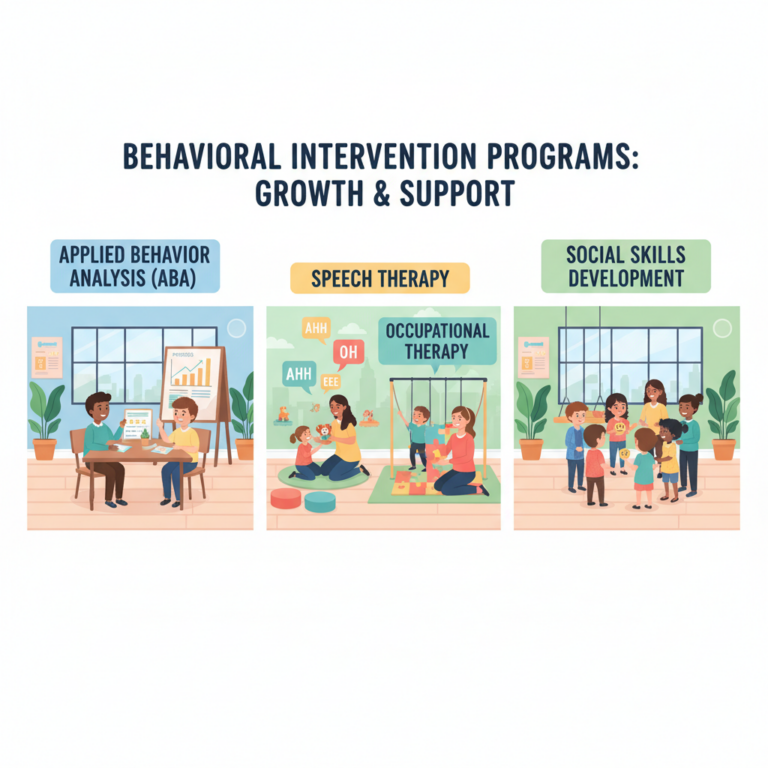
Parent training ABA techniques focus on practical behavioral strategies to reduce challenging behaviors and encourage communication. You work alongside a trained therapist to learn reinforcement methods, prompting techniques, and data tracking. As you see progress in your child’s skills, your confidence grows, reinforcing the positive cycle of learning and support [4].
Family systems therapy
This approach views your family as an interconnected system. Sessions might involve siblings and extended relatives alongside parents, promoting empathy and collaborative problem-solving. By addressing dynamics such as envy or resentment, you create a more supportive home environment. Many autism family support services integrate family therapy autism center programs to address broader relational patterns.
Group counseling and peer support
Joining a support group for autism families connects you with peers who understand your daily reality. In these settings, you exchange coping tips, share resource referrals, and build lasting friendships. Virtual and in-person groups have become increasingly accessible, with organizations like the Asperger/Autism Network offering free webinars and forums [5].
Practical support strategies
Counseling often extends beyond the therapist’s office and into real-world solutions. Here are four practical strategies you can implement immediately:
• Respite care and breaks, arranged through local agencies or autism caregiver resources, allow you to recharge and prevent burnout.
• Peer mentorship programs, such as parent support for autism families, pair you with experienced caregivers for advice and emotional backup.
• Structured routines and visual supports, learned in autism family education workshops, help reduce daily uncertainty for both you and your child.
• Resilience training for caregivers teaches self-care skills—from guided journaling to relaxation exercises—so you’re better prepared for stress [2].
Incorporating these elements into your routine amplifies the benefits of counseling, reinforcing positive change across different aspects of your life.
Finding the right services
Selecting a counseling service that fits your needs involves considering format, cost, and specialization. The table below summarizes key free and low-cost resources available to caregivers like you:
| Resource | What it offers | Link |
|---|---|---|
| Autism Speaks 100 Day Kit | Step-by-step guidance for newly diagnosed families | https://danmarinofoundation.org/top-25-free-autism-resources-for-parents-and-caregivers-updated-2025/ |
| Autism Navigator | Video tutorials on behavior recognition and intervention | https://danmarinofoundation.org/top-25-free-autism-resources-for-parents-and-caregivers-updated-2025/ |
| Asperger/Autism Network (AANE) | Virtual support groups, webinars, online forums | https://danmarinofoundation.org/top-25-free-autism-resources-for-parents-and-caregivers-updated-2025/ |
| Autism Society national directory | Local clinics, programs, and peer support listings | https://danmarinofoundation.org/top-25-free-autism-resources-for-parents-and-caregivers-updated-2025/ |
| ASAN toolkit and policy guides | Advocacy resources and inclusive practice guides | https://danmarinofoundation.org/top-25-free-autism-resources-for-parents-and-caregivers-updated-2025/ |
When exploring paid options, look for counselors with specialized training in autism family education programs or parent counseling autism. Telehealth sessions can reduce travel stress, while in-person visits may offer deeper family therapy experiences. Always verify credentials and ask about sliding-scale fees or group rates.
Building long-term resilience
Counseling sets the foundation, but long-term resilience comes from ongoing learning and self-care. You can strengthen your ability to cope by:
• Continuing autism parent training programs to refine communication and behavior-management techniques.
• Attending autism support workshops on topics like emotional regulation and sibling support.
• Seeking periodic check-ins with a counselor, even after initial goals are met, to navigate new challenges.
• Maintaining connections with fellow caregivers through support group for autism families so you never feel you’re going it alone.
By weaving these activities into your life, you reinforce the coping strategies learned in counseling and sustain the progress you’ve worked so hard to achieve.
Supporting your journey
Counseling for autism caregivers empowers you to address complex emotions, strengthen family relationships, and maintain your own well-being. As you engage with targeted therapies and community resources, you build a resilient foundation that benefits both you and your child. Remember, seeking support is a sign of strength—not weakness—and it sets the stage for lasting positive change.