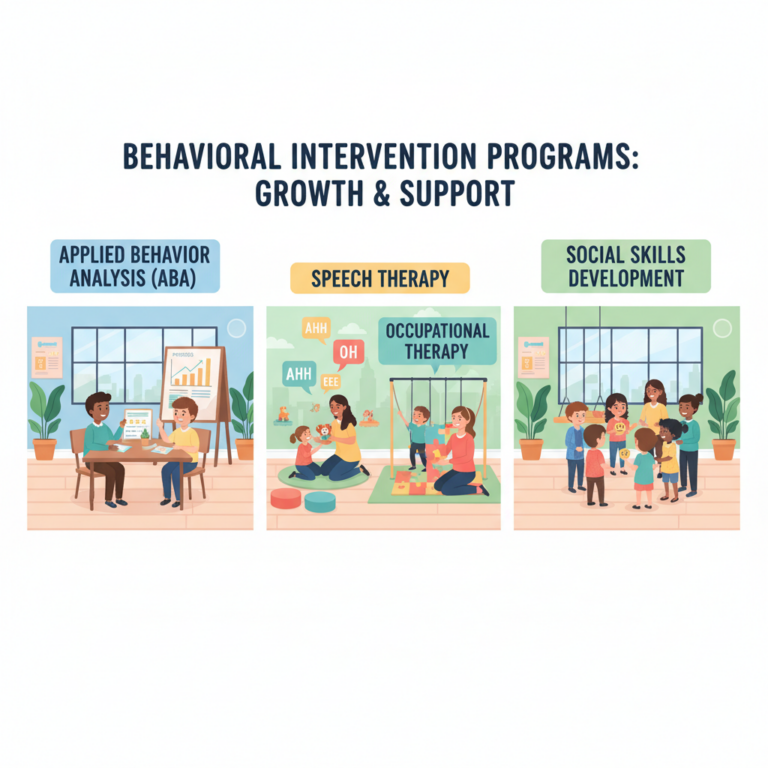
When you’re exploring Blue Cross approved autism therapy programs for your child, you want clear answers on what services are covered, how to find in-network providers, and ways to make the most of your benefits. Navigating the details of Blue Cross Blue Shield plans can feel daunting, especially when you’re balancing the urgency of early intervention with the complexity of insurance requirements. In this guide, you’ll learn how to understand your coverage, locate approved ABA therapy and allied services, and take confident next steps toward the support your family needs.
Understanding Blue Cross coverage
State mandates and plan variation
Coverage for Applied Behavior Analysis (ABA) and related therapies varies by state and by the specific Blue Cross Blue Shield licensee in your region. As of 2024, more than 40 states have enacted laws requiring insurance plans to cover ABA therapy for autism spectrum disorder [1]. In states without a mandate, your plan’s summary of benefits will outline whether ABA, speech therapy, occupational therapy or diagnostic testing are included.
Eligibility criteria and diagnosis
To qualify for autism services under a Blue Cross Blue Shield plan, you typically need:
- A formal diagnosis of autism spectrum disorder (DSM-5 code F84.0) from a licensed physician or psychologist
- A prescription or referral for ABA therapy, speech therapy or occupational therapy
- Evidence of medical necessity, often demonstrated through standardized assessments and prior evaluations [1]
Prior authorization requirements
Most BCBS plans require prior authorization before you begin therapy. This step ensures services meet policy criteria and helps you avoid unexpected out-of-pocket costs. You’ll usually need to submit:
- A treatment plan or recommendation signed by a qualified health professional
- Detailed goals and frequency of sessions (for example, 20–30 hours of ABA per week)
- Supporting documentation showing functional impairments and the need for skilled intervention
Coverage limits and cost-share
Even with authorization, plans include limits on visits, units or total annual benefits. You may encounter:
- Deductibles and coinsurance that apply before full coverage
- Visit or hour caps for each therapy type
- Separate benefit buckets for ABA, speech and occupational therapies
Review your Explanation of Benefits (EOB) after each claim to track usage and remain within plan limits.
Finding in-network ABA providers
Search your member portal
Your first step is to log in to your Blue Cross Blue Shield member portal and use the provider finder tool. Filter by “Autism services,” “Applied Behavior Analysis,” or “Behavioral health” to locate therapists who:
- Are credentialed in ABA or adaptive behavioral treatment (ABT)
- Accept your specific BCBS plan
- Have availability for new clients
Verify provider credentials
Once you have a shortlist, call each provider to confirm:
- They hold appropriate licensure or certification in ABA therapy
- They can deliver the level of care you need (center-based, in-home or telehealth)
- They will handle prior authorization and claims submissions
This step helps avoid surprise balance bills and ensures a smooth intake process.
Explore provider types
ABA services can be delivered in various settings. Consider:
- Center-based clinics for structured, intensive therapy
- In-home programs that allow skills generalization in daily routines
- Telehealth options for remote coaching and parent training
Whatever you choose, confirm the services are listed as in-network in your plan. You can also browse a comprehensive list of in-network ABA therapy blue Cross providers to simplify your search.
Coverage for supporting therapies
Therapies like speech and occupational therapy often work hand in hand with ABA to build communication, motor skills and daily living independence. Here’s how these services are typically covered:
| Service | Coverage details | Prerequisites |
|---|---|---|
| Speech therapy | Covered subject to visit limits, deductibles and copays | Referral from a physician or psychologist |
| Occupational therapy | Covered with evaluation and ongoing sessions | Prescription and prior authorization |
| Diagnostic testing | Reimbursed after deductible, up to policy limits | Assessment by licensed psychologist or MD |
Speech therapy coverage
Speech therapy helps children develop functional communication, social skills and pragmatic language. Under BCBS plans, you may see:
- A benefit cap of 20–40 visits per benefit year
- Coinsurance or copayments after meeting your deductible
- Requirements for periodic re-authorization
Occupational therapy coverage
Occupational therapy focuses on fine motor skills, sensory processing and self-care tasks. Coverage often includes:
- An initial evaluation covered at 100% after deductible
- Weekly or bi-weekly sessions subject to plan limits
- Custom home programs developed by licensed occupational therapists
Diagnostic testing coverage
Early, accurate assessment is crucial. BCBS plans typically cover:
- Comprehensive autism evaluations, including standardized tools
- Multidisciplinary assessments for speech, motor and cognitive skills
- Partial reimbursement for testing fees, depending on your plan’s deductible and coinsurance
For a deeper dive into therapy options covered by Blue Cross, visit our page on blue cross covered autism therapy services.
Maximizing your benefits
Obtain complete documentation
Strong medical necessity documentation is your foundation. Ensure you have:
- Detailed evaluation reports outlining challenges in communication or behavior
- A clear, goal-oriented treatment plan with measurable objectives
- A signed physician prescription or referral for each therapy type
Submit authorizations early
Start the prior authorization process as soon as you have your diagnosis and treatment plan. Early submission reduces delays and allows providers to begin services without interruption.
Work with a case manager
Many Blue Cross Blue Shield plans offer case management support. Case managers can:
- Clarify your coverage details
- Assist with finding in-network providers
- Help you navigate appeals if a request is denied
Contact your member services line to request a case manager referral.
Track your usage
Keep a running tally of:
- Approved hours or visits
- Copays, deductibles and coinsurance paid
- Authorization expiration dates
Regularly review EOB statements to avoid surprise denials or unexpected bills.
Comparing insurance options
If you’re weighing Blue Cross Blue Shield against other carriers, here’s a snapshot of how three major insurers handle autism services:
| Feature | Blue Cross Blue Shield | Aetna (/autism-therapy-covered-by-aetna) | UnitedHealthcare (/unitedhealthcare-autism-therapy-services) |
|---|---|---|---|
| ABA therapy | Covered in 40+ states under mandate [1] | Covered with in-network providers | Covered with prior authorization |
| Speech therapy | Covered subject to plan limits | Covered after referral | Covered subject to copays |
| Occupational therapy | Covered with prescription and auth | Covered as medically necessary | Covered with prior approval |
| Prior authorization | Required for initial and ongoing services | Required for most plans | Required for most plans |
| Case manager support | Available upon request | Available through select plans | Available through select plans |
Comparing plans side by side can help you determine which insurer offers the network, cost-share and support services that best align with your family’s needs.
Next steps for coverage
-
Confirm your benefits
– Call the number on your Blue Cross member ID card or log in to your online account
– Ask about ABA, speech and occupational therapy limits, cost-share and authorization requirements -
Gather documentation
– Secure your child’s ASD diagnosis report, treatment prescriptions and evaluation summaries
– Share these with your chosen provider for a seamless authorization process -
Book a consultation
– Reach out to an autism therapy center accepting Blue Cross insurance
– Verify appointment availability and intake requirements -
Engage your case manager
– Request case management services to guide you through plan navigation, appeals and care coordination -
Prepare for ongoing care
– Establish a schedule for regular progress reviews with your provider
– Keep EOBs and authorization letters organized to track coverage and renewals
By taking these proactive steps, you’ll streamline access to evidence-based autism therapy services and ensure your child gets the support they need to thrive. If questions arise at any point, your Blue Cross Blue Shield member services team and provider network are there to help you navigate the journey.