If you’re seeking practical ways to guide your child toward positive behaviors, behavior coaching for parents can be the game changer you need. By focusing on real‐time skill building rather than probing past issues, this coaching model equips you with clear techniques to manage tantrums, reinforce good habits, and foster emotional growth. With expert support, you’ll learn to spot behavior triggers, set consistent routines, and respond intentionally rather than reactively. Over time, these tools help you reduce stress, strengthen family bonds, and create a more harmonious home.
Define behavior coaching
Behavior coaching for parents is an interactive process where trained professionals provide individualized support to help you master everyday parenting challenges. Instead of delving into deep psychological analysis, coaches focus on present‐oriented strategies—like empathetic listening and effective communication—that you can implement immediately. This hands‐on approach helps you develop confidence, clarify goals, and track progress step by step.
Many parents confuse coaching with therapy, but coaching emphasizes empowerment and skill acquisition over emotional exploration. You and your coach collaborate to set clear objectives—whether reducing bedtime struggles, improving sibling cooperation, or teaching self‐regulation. Sessions often include live modeling, role-playing, and real-time feedback, making abstract principles tangible.
Each coaching plan centers on your family’s unique dynamics and challenges. Your coach observes interactions, identifies patterns that lead to conflict, and then guides you through targeted interventions. With consistent practice, you’ll find that small shifts in your responses can produce big changes in your child’s behavior.
Behavior coaching is not a one-size-fits-all prescription, it’s a tailored partnership that evolves with your needs.
Coaching vs. therapy
While therapy often addresses deep-seated emotional issues, coaching zeroes in on practical solutions for day-to-day struggles. In therapy, a psychologist might explore your family’s history or personal beliefs. In behavior coaching, a coach helps you implement clear steps—like how to deliver a timeout effectively or how to praise positive behavior on the spot.
Therapy sessions can be open-ended and exploratory, whereas coaching engagements usually follow a structured timeline with specific milestones. You might meet weekly for six to twelve sessions, each focusing on discrete goals such as increasing compliant responses or reducing disruptive outbursts.
Rather than asking “Why did this happen?” a coach asks “What can we change right now?” This forward-focused stance often leads to immediate relief, helping you see progress within a few weeks.
Core components
At its heart, behavior coaching combines assessment, planning, practice, and review. First, your coach gathers information through interviews and observations. Next, you collaborate to develop a plan with measurable objectives—like reducing nightly tantrums by half or increasing independent play by 20 minutes.
Practice happens both in sessions and at home, where you apply new techniques while your coach monitors progress. Regular check-ins help you adjust strategies based on real-world feedback. Finally, you review outcomes and set next-step goals to sustain momentum.
Over time, you internalize these methods and gain the flexibility to tackle new challenges as they arise.
Identify coaching benefits
When you invest in behavior coaching, you unlock a range of advantages that go beyond basic behavior management. Coaches help you build stronger family connections, bolster your child’s emotional intelligence, and foster a calmer household overall. Here are four key benefits you can expect:
- Improved communication between you and your child, leading to fewer misunderstandings
- Reduced frequency and intensity of conflicts, creating a more peaceful home
- Enhanced confidence in your parenting abilities and decision-making
- Development of lifelong skills in your child, such as self-regulation and empathy
These gains often happen concurrently. As you learn to listen empathetically, your child feels heard and becomes more open to guidance. As conflict diminishes, you find more space for positive interactions and shared enjoyment.
Many families report that once they master one area—say, bedtime routines—they feel empowered to tackle homework struggles or social challenges next. Coaching lays out a clear roadmap so each small victory fuels the next.
Implement evidence-based techniques
To change behavior sustainably, you need methods grounded in research and practiced consistently. Behavior coaching for parents draws on evidence-based approaches that target specific behaviors, reinforce positive actions, and apply consistent consequences when needed. Breaking these strategies into clear steps helps you and your coach track progress and celebrate wins.
Target specific behaviors
Effective coaching begins by zeroing in on one behavior at a time. Instead of tackling “all misbehavior,” you might choose to address hitting or refusal to share. By observing when and why the behavior occurs, you and your coach identify triggers—such as fatigue, sensory overload, or a need for attention.
Once triggers are clear, you develop a plan to redirect or prevent the behavior. For example, if your child tends to throw toys when tired, you might adjust nap schedules or introduce calming transitions before playtime. Focusing on one issue at a time ensures you don’t dilute your efforts and can measure results accurately.
Reinforce positive actions
Positive reinforcement is powerful when used strategically. Catch your child being good—whether that means using words instead of hitting or waiting patiently at the table—and offer praise or a small reward immediately. Over time, this creates a clear association between desired behavior and positive outcomes.
Consistency is key. A coach might suggest a five-to-one ratio, meaning five positive comments or rewards for every corrective feedback you give [1]. This emphasis on encouragement builds your child’s self-esteem and reduces reliance on negative discipline.
Apply consistent consequences
When misbehavior occurs, consistent consequences help children learn limits. Time-outs remain a proven tool when administered correctly. Guidelines include advance warning, a distraction-free spot, immediate placement after the behavior, and a brief duration—roughly one minute per year of age [2].
| Step | Action | Duration |
|---|---|---|
| Warning | Remind child of expected behavior | 5 seconds before transition |
| Placement | Direct child to time-out spot | Immediately after misbehavior |
| Timing | Count silently or use timer | 1 minute per year of age |
| Follow-up praise | Acknowledge calm return to group | Within 30 seconds of release |
By pairing consistent consequences with ongoing reinforcement of positive actions, you create a balanced environment where your child understands both expectations and rewards.
Customize for neurodiversity
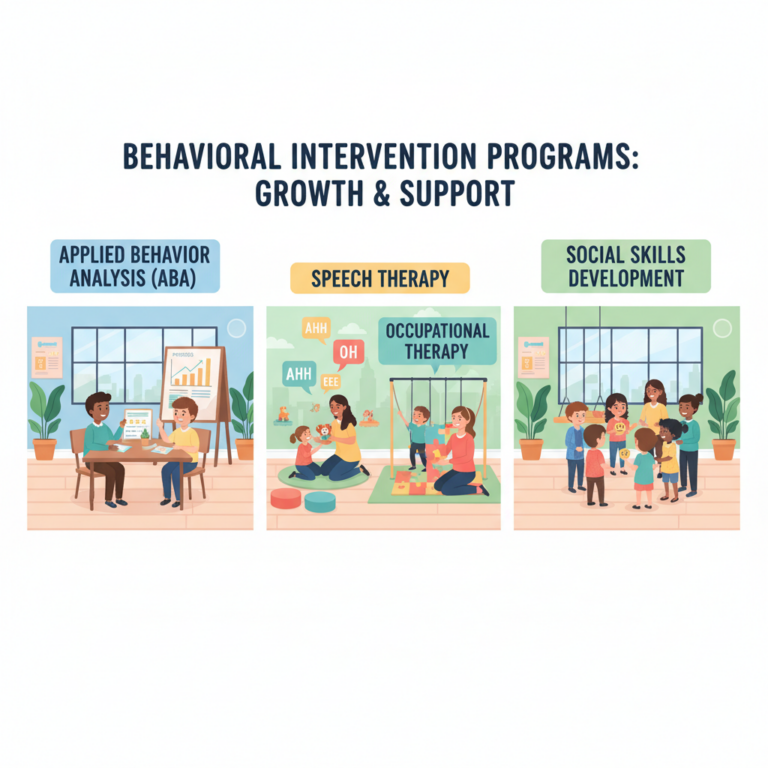
If your family includes a child with autism or other developmental differences, specialized coaching approaches ensure strategies meet specific needs. Good coaches integrate autism-friendly methods like Applied Behavior Analysis (ABA) principles and sensory-aware adaptations.
Incorporate ABA principles
Behavior coaching in ABA emphasizes generalization—teaching skills that stick across multiple settings. When you work on communication or self-help tasks in coaching sessions, your coach shows you how to embed those skills in everyday life at home, school, and community settings [3]. This real-world practice cements learning and builds independence.
The PAIRS tool, validated by Board Certified Behavior Analysts, helps tailor coaching based on family stressors and resources. By assessing factors like caregiver availability and environmental triggers, PAIRS ensures you get strategies that fit your schedule and context.
Use sensory-friendly strategies
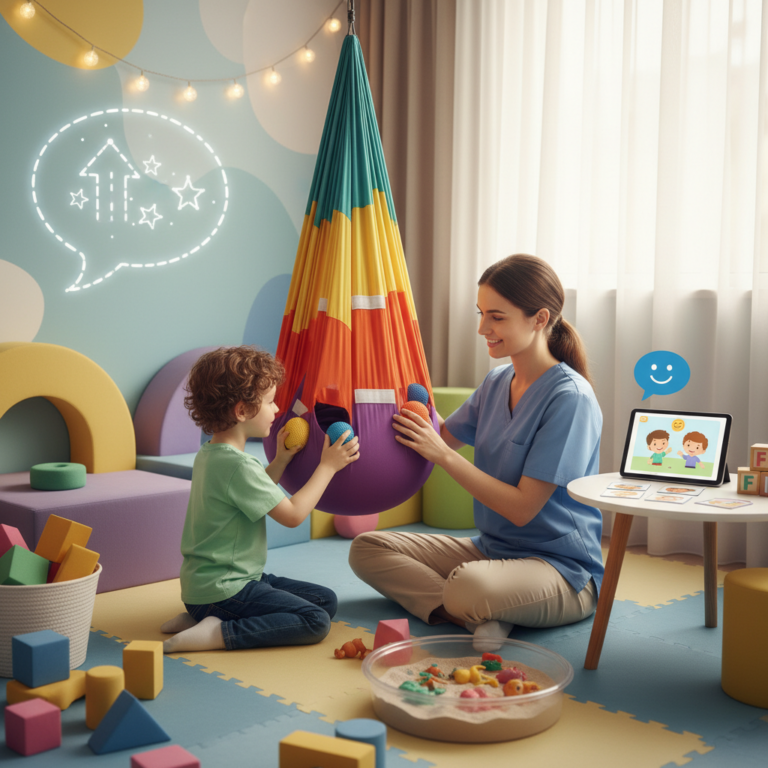
For neurodiverse children, creating a sensory-supportive environment can reduce overwhelm and unwanted behaviors. Coaches guide you in setting up structured routines, visual schedules, and calm corners stocked with tools like noise-cancelling headphones or weighted blankets. Communication aids such as the Feelings Wheel help your child identify and express emotions without resorting to frustration [4].
You also learn how to monitor sensory input throughout the day. Subtle adjustments—like offering headphones during loud tasks or breaking transitions into countdown steps—can prevent tantrums. Tailoring your approach to your child’s sensory profile makes other coaching strategies more effective.
If you’d like in-depth training on ABA techniques, explore our parent training aba techniques resource or check out dedicated autism parent coaching services.
Sustain your progress
Behavior change is not a one-time event. To ensure lasting success, you need ongoing support, measurement tools, and community connections that reinforce new habits over months and years.
Access ongoing support
Even after your formal coaching sessions end, you can tap into various family support services. Joining a local or online support group for autism families keeps you connected with peers facing similar challenges. If you need occasional refreshers, specialized counseling for autism caregivers and family therapy autism center options remain available.
Digital platforms and workshops—like autism family education workshops or autism support workshops—offer bite-sized refreshers on tactics that might drift over time. Continuing education helps you adapt as your child grows and new challenges emerge.
Measure your success
Tracking progress provides motivation and clarity. You might keep a simple behavior journal or use apps recommended by your coach to log daily wins and setbacks. Note patterns: are tantrums decreasing, is independent playtime increasing, or are homework battles resurfacing?
Review your data with your coach or support network every few months. Celebrating milestones—no matter how small—reinforces your commitment. If certain strategies stall, revisit them in consultation with your coach or explore resilience training for caregivers to build fresh energy.
Sustained progress means you’ll face fewer crises and more opportunities to enjoy family life together. With the right systems in place, behavior coaching becomes a springboard for ongoing growth and well-being.
By defining clear goals, applying proven strategies, and leaning on a network of support, you transform challenging behaviors into teachable moments. When you master behavior coaching for parents, you not only ease daily stress but also equip your child with the skills they need for lifelong success.