You play a vital role in bringing out the best in your child with autism. Autism family education programs give you the tools, strategies, and support to guide their growth every day. From learning evidence-based techniques to partnering with teachers and therapists, these initiatives empower you to create an environment where your child can thrive.
Across life stages, such programs help you master interventions at home, build collaborative relationships with schools, and reduce stress through counseling and peer support. Family education is a fundamental component of autism support, empowering caregivers with training and resources to implement effective interventions at home and foster collaborative environments with educators and clinicians, leading to improved behavioral and developmental outcomes for individuals with autism across life stages [1].
Understand family education
Autism family education programs combine parent training, counseling, and coaching to equip you with skills that you use around the clock. Rather than relying solely on therapy sessions, you become an active interventionist in your child’s daily routines. This consistent approach accelerates progress and helps generalize skills from the clinic to home, school, and community settings.
Programs often cover topics such as communication strategies, behavior management, sensory regulation, and social engagement. By focusing on real-world situations—meal times, play dates, bedtime routines—you learn to apply techniques that fit your family’s values and lifestyle. You also gain confidence in advocating for your child during Individualized Education Program (IEP) meetings and school transitions.
Many parents report reduced stress and increased empowerment after completing structured family education courses. When you understand why a strategy works and how to adapt it, you feel more in control of challenges and see clearer gains in your child’s skills. Autism family education lays the groundwork for long-term success by building your knowledge, your toolkit, and your support network.
Explore core program types
Family education comes in many forms. Whether you prefer hands-on coaching, self-paced online modules, or group workshops, you can find a format that fits your schedule and learning style. Below is a snapshot of three widely used programs:
| Program | Focus | Delivery | Learn more |
|---|---|---|---|
| WHO Caregiver Skills Training (CST) [2] | Daily living skills, play-based engagement, caregiver stress reduction | Virtual self-paced modules plus facilitated groups | caregiver training for autism |
| Project ImPACT [1] | Social engagement and communication in everyday routines | Telehealth and in-person coaching | autism family education workshops |
| JASPER [1] | Play-based strategies to build social communication | Telehealth and in-person sessions | parent training aba techniques |
Research shows that empirically supported parent education programs improve child outcomes in communication, joint attention, social and self-help skills, and also reduce parental stress by increasing self-efficacy [3]. Knowing which model aligns with your goals can make your investment in time and effort pay off faster.
Implement at-home strategies
Putting new skills into practice is where the real transformation happens. You don’t need to overhaul your household—small, consistent changes yield big results. Start by weaving intervention into daily routines. For example, use snack time to target communication: offer choices, model words, and reinforce attempts. Over weeks, that simple exchange becomes a stepping-stone for broader conversation.
Creating structured, predictable schedules helps children with autism feel secure and reduces anxiety. Visual schedules, timers, and checklists can guide transitions between activities. When you pair clear expectations with positive reinforcement—praise, tokens, or extra play—you shift the focus to “I did it” instead of “Don’t do that.”
Managing sensory needs can prevent meltdowns before they occur. Identify triggers—noisy crowds, bright lights, scratchy fabrics—and adapt your environment with calm zones, noise-reducing headphones, or soft lighting. Tuning in to your child’s sensory profile lets you smooth out rough spots in daily life without sacrificing spontaneity.
Over time, these everyday applications become second nature. You’ll notice that implementing strategies at home is not an extra chore but a way of enriching play, mealtime, and self-care moments. As your child succeeds, your confidence grows, creating a positive cycle of progress and empowerment.
Build school partnerships
Your role as an advocate extends beyond home. Autism family education programs teach you how to collaborate effectively with educators and therapists. You learn to share observations, set realistic IEP goals, and monitor progress through data tracking. When you enter meetings informed and organized, you shape plans that reflect your child’s strengths and challenges.
Consistent communication with teachers ensures that strategies used at home carry over in the classroom. You might provide social stories for school, request visual supports, or suggest movement breaks during long lessons. Educators appreciate your partnership, and joint problem-solving leads to more cohesive interventions across settings.
Siblings also benefit from education programs. By offering sibling support for autism sessions, you help brothers and sisters understand their sibling’s needs and discover ways to play, learn, and communicate together. That shared understanding strengthens family bonds and creates allies for your child both at home and at school.
Access support services
Families thrive when you have a safety net of professional guidance and peer connection. Autism family education often includes both individual counseling and group experiences.
Counseling and coaching
One-on-one sessions with a trained specialist give you personalized feedback and problem-solving. Whether you’re navigating challenging behaviors or juggling therapy schedules, family counseling autism and counseling for autism caregivers services can address your unique concerns. Coaches model techniques in real time, observe family interactions, and help you refine your approach.
Parent coaching goes beyond tips—it focuses on building your resilience. Programs like resilience training for caregivers teach stress-management, self-care routines, and mindfulness to prevent burnout. As you learn to care for yourself, you’ll have more energy and patience to support your child.
Support groups and workshops
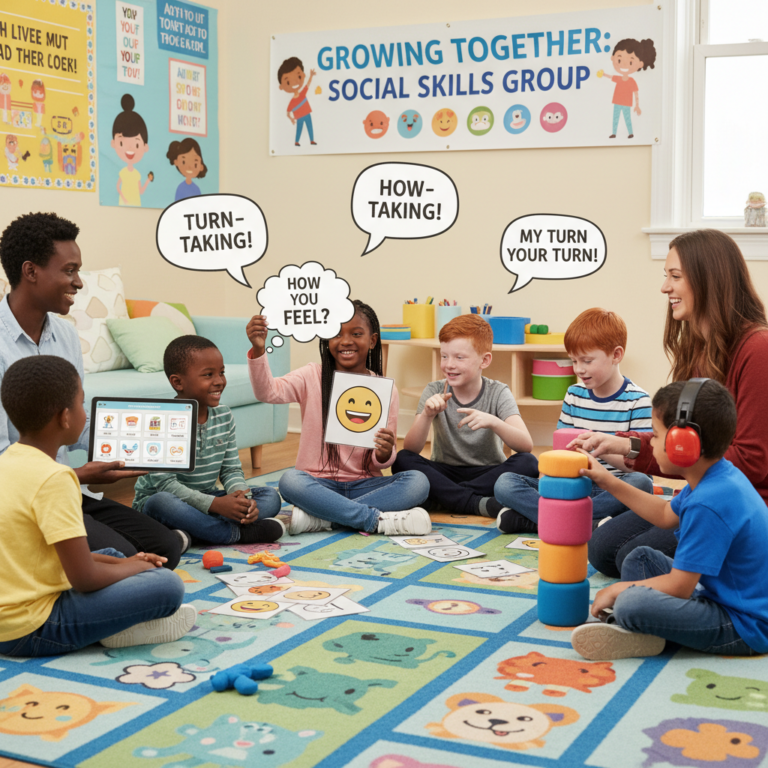
Connecting with other families reminds you that you’re not alone. Local and online support group for autism families meetings provide a forum to exchange tips, vent frustrations, and celebrate breakthroughs. Hearing peers’ successes sparks new ideas for your own household.
Workshops such as autism support workshops or autism family education workshops cover topics ranging from AAC systems to community inclusion. You can dip into single-day intensives on sensory strategies or commit to multi-week series on behavior planning. These group learning experiences boost your skill set and expand your network.
Track program outcomes
Consistent monitoring ensures that your efforts translate into real progress. By recording observations—frequency of target behaviors, language samples, or social interactions—you can see trends and adjust tactics as needed. When a strategy isn’t working, data helps you pivot rather than guess.
Key indicators of success include:
- Improved communication attempts and clarity
- Reduction in challenging behaviors or meltdowns
- Increased independence in daily tasks
- Smoother transitions between activities and environments
- Stronger collaboration with educators, therapists, and siblings
Review these metrics monthly with your team—therapist, teacher, or coach—to celebrate gains and troubleshoot roadblocks. Tracking outcomes empowers you with measurable evidence of your child’s growth and guides future planning.
Every family’s journey is unique, but autism family education programs share a common goal: to make you the most effective advocate and teacher for your child. By understanding program types, implementing strategies at home, partnering with schools, and accessing counseling and peer support, you build a framework for lasting success. You don’t face this path alone—these programs stand ready to equip you with knowledge, confidence, and community.