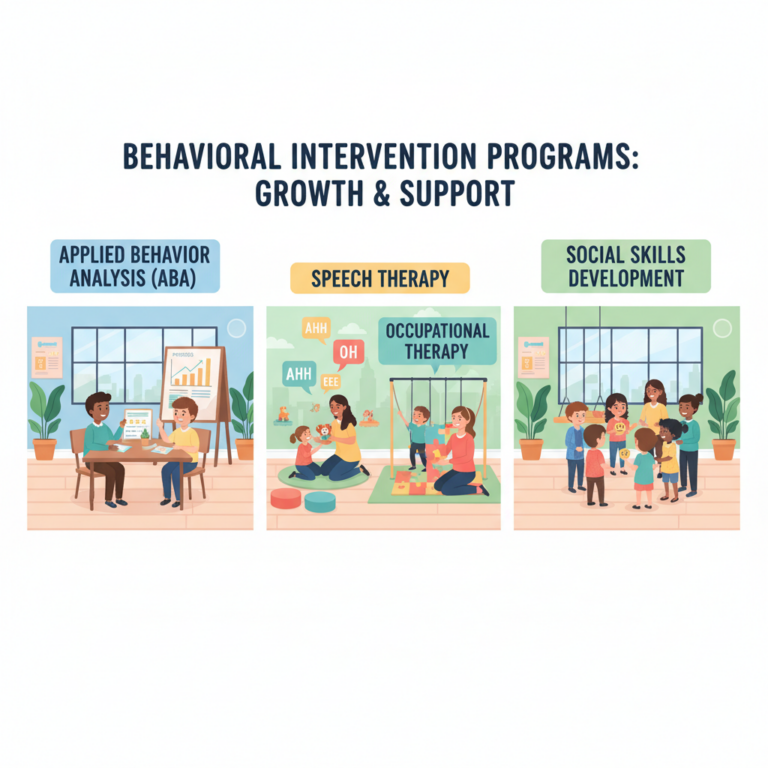
When searching for specialized care, finding an autism center that accepts UnitedHealthcare coverage can feel overwhelming. You want a supportive environment where your child can benefit from evidence-based therapies—ABA therapy, speech therapy, occupational therapy—and comprehensive diagnostic testing without unexpected costs. Whether your insurance through UnitedHealthcare, Blue Cross Blue Shield, or Aetna, understanding plan details and locating in-network providers is an essential first step toward the individualized plans and tailored treatment programs necessary for lasting recovery.
In this guide, you will learn how to confirm your benefits, identify in-network centers, evaluate credentials, schedule your consultation, and advocate for ongoing support. Along the way, we’ll share statistics, expert advice, and practical tips to ensure you can secure the care your family deserves. Let’s get started on your path to hope and progress.
Confirm coverage and costs
Coverage definitions and terms
Begin by reviewing key insurance terms to avoid surprises:
- In-network vs out-of-network: In-network providers have contracted rates, while out-of-network clinicians may lead to higher costs.
- Deductible: The amount you pay before insurance covers services, which can range from a few hundred to several thousand dollars per year.
- Copay and coinsurance: Fixed fees (copays) or percentage-based costs (coinsurance) you owe for each visit.
- Annual maximums and visit limits: Some plans cap the number of ABA therapy or speech sessions per year.
Understanding these definitions helps you gauge potential out-of-pocket expenses and pick the right providers under your plan.
Services covered by insurers
Coverage can vary by insurer, but most plans include medically necessary services for autism spectrum disorder:
| Plan | ABA therapy coverage | Speech therapy | Occupational therapy | Diagnostic testing |
|---|---|---|---|---|
| UnitedHealthcare | Covered subject to prior authorization ([NPR]) | Covered after deductible | Covered after deductible | Covered |
| Aetna | Covered for medically necessary ABA [1] | Covered | Covered | Covered |
| Blue Cross Blue Shield | Covered [2] | Covered | Covered | Covered |
Applied behavior analysis is considered the evidence-based gold standard in autism treatment, with demand increasing as diagnoses rose from 1 in 150 two decades ago to 1 in 36 children today ([NPR]).
Potential out-of-pocket expenses
Even with coverage, you may face:
- Deductibles and coinsurance for each therapy session
- Copays ranging from \$10 to \$50 per visit
- Session limits that trigger additional costs if exceeded
- Noncovered services such as family counseling or certain assessments
Request an Explanation of Benefits (EOB) to track charges and avoid unexpected bills. As a result, you can budget for therapy costs and advocate for adjustments when necessary.
Find in-network centers
Use online directories and tools
Most insurers provide searchable directories on their websites:
- UnitedHealthcare’s provider network lists specialists in ABA therapy, speech-language pathology, and occupational therapy
- Tools often filter by service type, location, and availability
- You can save favorites and request referrals directly online
For ABA specialists, look for an applied behavior analysis uhc provider to ensure they meet your plan’s requirements. Additionally, check if the center accepts enrollment through your state’s Medicaid plan if you qualify.
Contact your insurer
Speaking directly with a customer service representative can clarify:
- Plan-specific authorizations required before starting therapy
- Precertification forms or physician referrals needed
- Any in-network providers with specialized pediatric autism programs
Keep detailed notes—dates, names, and confirmation numbers—so you can reference them later. If you notice discrepancies between the directory and a provider’s availability, ask your insurer to update records.
Tap community resources
Local autism organizations and parent support groups often maintain lists of in-network centers in your area. You might also:
- Consult your child’s pediatrician or developmental pediatric specialist for referrals
- Reach out to school special education coordinators for recommendations
- Join online forums for parents sharing firsthand experiences with insurance-approved programs
By combining insurer directories, direct calls, and community insights, you’ll assemble a robust list of potential providers ready to deliver comprehensive care.
Evaluate center credentials
Accreditation and licensing
A qualified autism center should hold:
- Accreditation from bodies like Commission on Accreditation of Rehabilitation Facilities (CARF) or Joint Commission
- State licensure for speech therapy and occupational therapy programs
- Compliance with national and state regulations on pediatric care
These certifications signal a center’s commitment to quality standards and a supportive environment.
Evidence-based treatment programs
Look for facilities offering tailored treatment programs grounded in research:
- Applied Behavior Analysis (ABA) with clear data on progress metrics
- Speech-language therapy focusing on communication and social skills
- Occupational therapy addressing sensory integration and daily living skills
Centers that provide ABA therapy with UnitedHealthcare coverage often have structured clinical pathways, data-driven milestones, and regular goal reviews to track progress.
Staff qualifications and experience
Inquire about the team’s credentials:
- Board Certified Behavior Analysts (BCBA) overseeing ABA programming
- Certified speech-language pathologists and registered occupational therapists
- Experience working with children on the autism spectrum and tailored behavior-management strategies
A multidisciplinary team ensures individualized plans that address each child’s unique challenges and support necessary for lasting recovery.
Schedule your consultation
Prepare necessary documentation
Before your first appointment, gather:
- Insurance card and member ID number
- Referral or prior authorization from your pediatrician or specialist
- Recent evaluations or diagnostic reports
- A log of your child’s current behaviors, strengths, and challenges
Having this information ready helps the center understand your child’s history and streamline insurance verification.
Essential questions to ask
When you speak with intake coordinators or therapists, consider asking:
- Which therapies are covered in my plan and what costs apply?
- How soon can my child begin services after enrollment?
- What is the therapist-to-child ratio in sessions?
- Are telehealth or home-based services available?
- How are goals set, monitored, and communicated to parents?
By addressing these points upfront, you’ll set clear expectations and foster transparent communication with the center.
Managing waitlists and timing
High-quality autism centers often have waitlists. To minimize delays:
- Ask if short-term alternatives, such as telehealth consultations, are available
- Inquire about group sessions or interim services for skill building
- Confirm emergency procedures if your child requires immediate support
Understanding timing and potential barriers allows you to plan routines, maintain momentum, and reinforce learning in a supportive environment.
Advocate for ongoing support
Understand the appeals process
If therapy hours are reduced or denied, you have the right to appeal:
- Review the denial letter and note specific reasons given
- Gather supporting documentation: progress reports, physician letters, and research evidence
- Submit a formal appeal with your insurer, following their guidelines and deadlines
- Escalate to an external review if internal appeal is unsuccessful
UnitedHealthcare’s internal cost-cutting campaign has impacted therapy access for many families, with cases of hours being denied due to “insufficient progress” despite clear medical necessity ([ProPublica]). As a result, timely appeals can restore essential services.
Work with care coordinators
Insurers like UnitedHealthcare and Aetna deploy care advocates to help manage authorizations and address coverage questions. To collaborate effectively:
- Request a dedicated care coordinator or case manager through your plan
- Share progress data and therapy goals during regular check-ins
- Ask for assistance in expediting authorizations for new sessions or assessments
Building a partnership with your insurer’s care team can smooth administrative hurdles and reinforce the individualized support your child needs.
Monitor treatment progress
Tracking outcomes ensures therapy remains effective:
- Keep a journal of session highlights, skill gains, and any setbacks
- Request regular progress reports from therapists, including objective data
- Hold quarterly reviews with your care team to adjust goals and interventions
Proactive monitoring not only improves clinical results but also strengthens your case during coverage reviews and appeals.
By following these steps—confirming coverage, locating in-network centers, evaluating credentials, scheduling consultations, and advocating with care coordinators—you can secure the tailored support necessary for your child’s growth. Each stage reinforces a comprehensive care model, enabling individualized plans that address unique challenges while instilling hope and motivation.
Now that you have the tools and insights to find the right autism center that accepts UnitedHealthcare coverage, take the first step: verify your benefits, reach out to a preferred provider, and schedule an initial assessment. Your proactive approach will set the stage for meaningful progress and lasting support.