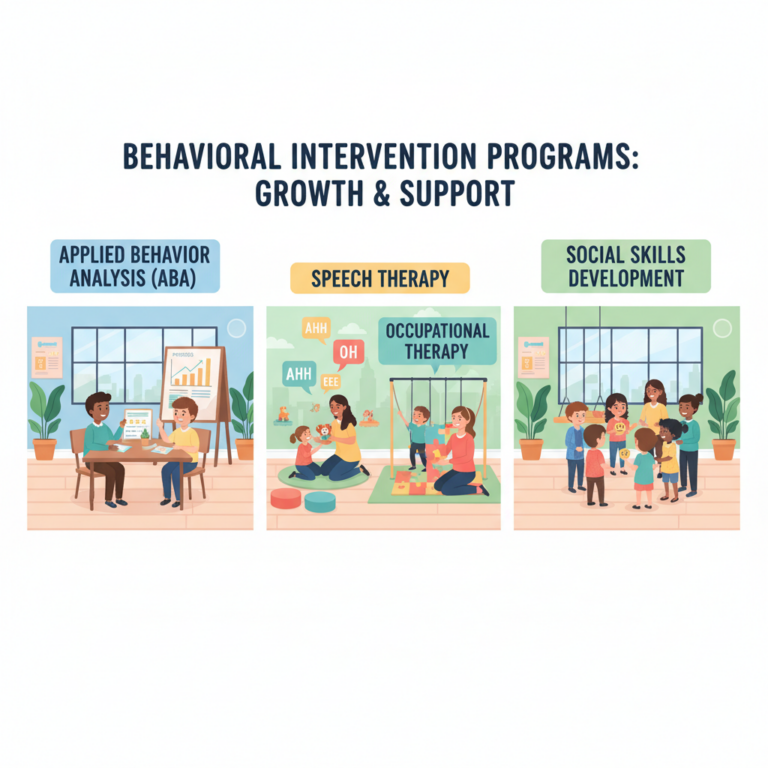
When you’re navigating autism services, finding an applied behavior analysis Aetna-in-network clinic can help you maximize coverage and ease your out-of-pocket expenses. With the right information, you can identify approved providers for ABA therapy, speech therapy or occupational therapy under your Aetna plan. This guide lays out what you need to know about your coverage, why in-network care matters, how to locate Aetna-approved clinics and what to do next—all in a supportive, step-by-step format.
understand your coverage
Knowing exactly how your Aetna plan covers autism services gives you the confidence to choose the right providers and avoid unexpected costs.
overview of ABA therapy
Applied Behavior Analysis (ABA) is a widely recognized, evidence-based approach that uses principles of behavior analysis to teach socially significant skills and reduce challenging behaviors. ABA programs can include:
- One-on-one therapy sessions
- Group skill-building activities
- Parent training and coaching
- Data-driven progress monitoring
Understanding the components of an ABA program helps you verify that a potential clinic offers the services your child needs.
Aetna’s coverage details
Aetna covers many aspects of autism therapy, including diagnostic evaluations, ABA therapy, speech and occupational therapy, subject to your plan’s deductible, copayments and any annual or lifetime limits [1]. Key points to consider:
- Network status: In-network providers usually mean lower copays and coinsurance
- Deductibles: You pay your full deductible before coverage begins
- Copayments and coinsurance: Typical copays range from $20 to $50 per visit; coinsurance often falls between 10% and 30%
- Annual or lifetime limits: Some plans cap the number of therapy hours or total dollars per year
| Service | In-network coverage | Out-of-network coverage |
|---|---|---|
| Diagnostic evaluation | Fully covered after deductible [1] | Partial coverage at a reduced rate |
| ABA therapy sessions | Covered up to annual limits, subject to copays and coinsurance | Subject to higher deductible and coinsurance |
| Speech and occupational therapy | Often covered similarly to ABA sessions | Subject to out-of-network cost-sharing |
Coverage may vary by state and specific plan. For details on speech and occupational therapy benefits, see autism therapy covered by aetna.
explore in-network benefits
Choosing a clinic that’s in your plan’s network offers advantages that can make therapy more accessible and affordable.
lower out-of-pocket costs
When you work with an in-network provider, Aetna has negotiated discounted rates on your behalf. That means:
- Lower copays per session
- Reduced coinsurance percentages
- No balance billing—providers can’t bill you beyond your copay and coinsurance
By contrast, out-of-network providers often lead to higher bills and more paperwork, as you may need to submit claims yourself.
coordinated care support
An in-network clinic often works closely with Aetna to manage authorizations, progress updates and billing. Benefits include:
- Streamlined prior-authorization process
- Regular clinical reviews to ensure goals are met
- Single point of contact for billing questions
A coordinated approach can reduce administrative headaches, letting you focus on your child’s progress rather than insurance paperwork. For more on Aetna’s in-network behavioral therapy options, explore aetna autism behavioral therapy in-network.
locate aetna aba clinics
Once you understand your benefits, you can pinpoint clinics that accept Aetna and specialize in ABA therapy.
search online directories
Start with Aetna’s online provider directory. You can filter by:
- Specialty: “Applied Behavior Analysis” or “Autism Services”
- Network status: “In-network” only
- Location: ZIP code or city
Also check state autism associations or local advocacy groups, which often maintain updated lists of approved providers.
contact Aetna member services
If you prefer to talk with someone, call the phone number on your Aetna ID card or log in to the Aetna member portal. Ask:
- Which ABA clinics are in-network in your area
- If there are waitlists or capacity limits
- What your estimated copays and coinsurance will be
Having specific clinic names and codes helps you confirm coverage quickly when you call each provider.
verify provider credentials
Not all autism therapy clinics offer the same level of expertise. When you’ve identified in-network options, check that each clinic:
- Employs Board Certified Behavior Analysts (BCBAs)
- Provides individualized treatment plans
- Offers parent training and family support
- Coordinates with other therapists (speech, OT)
You can often find this information on clinic websites or by asking intake staff. For a list of facilities currently accepting Aetna, see autism therapy center accepts aetna insurance.
prepare for consultations
A successful first meeting sets the tone for ongoing therapy. Come prepared with questions and documentation.
essential questions to ask
Before scheduling an appointment, draft a list of questions:
- What is your waitlist timeline for ABA therapy?
- How many therapy hours per week do you recommend?
- Who will develop and oversee my child’s treatment plan?
- How do you track and report progress to families?
- What support do you offer for parent training or school coordination?
These questions help you compare clinics on service quality, not just coverage.
documents to bring
Having the right paperwork expedites intake and authorization:
- Aetna insurance card (front and back)
- Physician referral or prescription for ABA therapy
- Recent diagnostic reports (e.g., Autism Diagnostic Observation Schedule)
- Individualized Education Program (IEP) or school evaluations, if available
- Any prior therapy assessments or progress summaries
Organizing digital copies in a folder on your phone or tablet can speed check-in at the clinic.
take action steps
Putting your plan into motion ensures your child can start therapy without delay.
book initial assessment
Reach out to your top-choice clinic to schedule an assessment. During this call:
- Confirm in-network status and session cost
- Verify any preauthorization needs
- Lock in your appointment date and time
Once your insurance authorizes services, you’ll receive a confirmation that therapy can begin.
transfer existing services
If your child is already in therapy with an out-of-network provider, ask your new clinic to:
- Obtain prior medical records and progress data
- Submit a continuity-of-care request to Aetna
- Coordinate a transition plan to minimize service gaps
Clinics experienced with insurance transitions can guide you through forms and approvals.
additional resources
Beyond ABA therapy, you may also explore:
- Speech and occupational therapy under your Aetna plan: aba therapy with aetna coverage
- Support groups for parents and caregivers
- Local school district autism liaison offices
For families with other insurers, check out autism therapy center accepts unitedhealthcare and autism therapy center accepting blue cross insurance.
Finding the right Aetna-in-network ABA clinic doesn’t have to feel overwhelming. By understanding your benefits, leveraging in-network advantages, pinpointing approved providers and preparing for each step, you can secure high-quality, affordable therapy for your child. Take these steps today to move closer to the comprehensive, individualized support your family deserves.