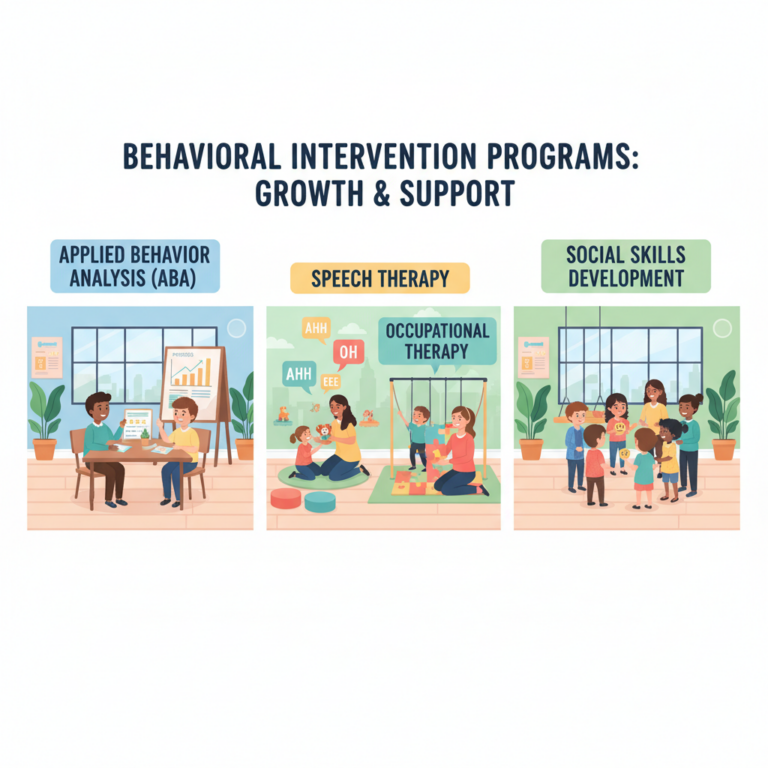
Understanding ABA therapy
Applied Behavior Analysis, commonly known as ABA therapy, is a research-backed treatment for children with autism and other developmental disorders. As you explore aba therapy with aetna coverage, it helps to know what ABA involves and why it could benefit your child. ABA focuses on increasing positive behaviors such as communication, social interaction, and daily living skills, while reducing behaviors that interfere with learning and family routines.
Additionally, ABA therapy is tailored to each child’s unique needs. A Board Certified Behavior Analyst (BCBA) conducts a thorough assessment, develops an individualized treatment plan, and supervises technicians who deliver one-on-one support. Sessions often use techniques like discrete trial training and pivotal response treatment to engage your child and build essential skills over time [1].
Benefits of ABA therapy include:
- Improving socialization and communication skills
- Enhancing expressive and receptive language
- Increasing independent living skills
- Decreasing challenging behaviors
- Reducing the need for intensive services later in life
| Benefit | Description |
|---|---|
| Social and communication | Teaches joint attention, turn-taking, and conversation |
| Language development | Builds vocabulary, sentence structure, and conversation skills |
| Daily living skills | Supports dressing, feeding, and personal hygiene |
| Behavior reduction | Targets aggression, self-injury, and tantrums |
| Family training | Equips caregivers with strategies for home and community use |
By understanding the foundational goals and methods of ABA, you’ll feel more confident evaluating how Aetna’s coverage can support your child’s progress.
Reviewing your Aetna benefits
Before scheduling any sessions, it’s important to understand what your specific Aetna plan covers. Coverage details can vary widely based on your policy, so you’ll want to:
- Check your summary of benefits and coverage (SBC).
- Review covered services, including ABA therapy, speech therapy, occupational therapy, and diagnostic testing.
- Note any copayments, coinsurance, or deductibles that apply.
- Confirm age limits or diagnosis requirements for autism spectrum disorder (ASD).
- Determine whether your plan distinguishes between in-network and out-of-network providers.
Because Aetna recognizes ABA as a medically necessary treatment for ASD, most plans cover direct therapy sessions, supervision costs, and treatment planning when you use an in-network provider. If you seek services from an out-of-network clinician, your out-of-pocket costs may increase. For full benefits, aim to work with an in-network Applied Behavior Analysis clinic—see our guide to autism therapy center accepts aetna insurance.
Key coverage features to look for:
- Medically necessary ABA therapy by BCBA and supervised technicians
- Coverage of treatment planning and progress reporting
- Support for up to 40 hours per week, as recommended by BCBAs [2]
- No strict hourly caps; approvals hinge on documented medical necessity
If you notice any ambiguity in your plan documents, call the phone number on your member ID card to speak with an Aetna representative. Keep notes on who you spoke with, the date, and any reference numbers for future follow-up.
Getting prior authorization
Most Aetna plans require prior authorization before you begin ABA services. This process ensures that therapy is medically necessary and helps you avoid unexpected bills. Here’s how to navigate authorization:
Gather required documentation
- A formal ASD diagnosis from a qualified provider (per DSM-V criteria)
- A prescription or referral for ABA therapy from your child’s physician
- An initial treatment plan created by a BCBA, detailing goals, methods, and anticipated hours per week
Submit authorization request
- Complete Aetna’s prior authorization form (available in your online member portal).
- Attach the diagnosis, referral, and treatment plan.
- Have your BCBA sign or co-sign the form.
- Submit electronically or by fax to the number listed on the form.
Monitor the review timeline
- Typical turnaround: 14–30 business days [3]
- Authorizations generally cover 6–12 months of services
- You may be asked to submit progress reports for reauthorization
| Step | Timeline | Notes |
|---|---|---|
| Form submission | Day 0 | Electronic submission speeds processing |
| Initial decision | 14–30 business days | Approval covers specified period and hours |
| Progress report request | 3–4 weeks before expiration | Required for continued coverage beyond initial period |
| Reauthorization decision | 5–10 business days after docs | Ensure timely reporting to avoid coverage gaps |
If your request is denied or partially approved, you can file an appeal. Review the denial letter for instructions on next steps. Being proactive with documentation and deadlines will help you maintain uninterrupted care for your child.
Finding in-network providers
Accessing therapy from an in-network clinic helps you maximize benefits and minimize out-of-pocket costs. Aetna maintains an online directory you can search by specialty and location. To find a qualified ABA provider:
- Visit Aetna’s provider search tool in your member portal.
- Filter by “Behavioral Health,” then select “Applied Behavior Analysis.”
- Enter your zip code to view in-network clinics near you.
You may also ask your pediatrician or your child’s developmental specialist for recommendations. Many families find comfort in visiting a facility in person to meet staff and tour therapy spaces before committing.
If you need help identifying approved locations, check our list of applied behavior analysis aetna-in-network clinic options. Using an in-network facility like these ensures you receive the full coverage your plan provides.
Maximizing your coverage
Once your authorization is in place and you’ve selected an in-network clinic, consider these strategies to make the most of your benefits:
- Track therapy hours – confirm that billed hours match the authorized amount.
- Coordinate care – share progress notes among ABA, speech therapy, and occupational therapy teams to avoid duplicated goals.
- Monitor out-of-pocket costs – review your explanation of benefits (EOB) statements monthly.
- Use authorized hours fully – if your child benefits from more intensive support, provide updated data to your BCBA for potential plan adjustments.
- Appeal denials – if claims are unexpectedly denied, use your plan’s appeal process and include supplementary documentation.
Staying organized and communicating regularly with your ABA team and Aetna representative fosters a collaborative environment focused on your child’s progress.
Exploring additional services
Beyond ABA therapy, your Aetna plan may cover a range of autism-related services. Confirm coverage for:
- Speech therapy to improve verbal and nonverbal communication
- Occupational therapy for fine motor skills and sensory integration
- Psychological testing and diagnostic evaluations
- Social skills groups and community-based programs
To learn more about how Aetna supports autism services generally, see our overview of autism therapy covered by aetna. If you also hold Blue Cross Blue Shield or UnitedHealthcare coverage, you can explore similar benefits via aba therapy blue cross blue shield coverage and aba therapy with unitedhealthcare coverage.
Each service has its own authorization and billing requirements, so follow the same process you used for ABA: gather physician referrals, submit prior authorization requests, and confirm network status for each provider.
Taking the next steps
You’ve gained an understanding of ABA therapy fundamentals, Aetna coverage specifics, and practical tips for navigating authorization and billing. Now it’s time to act:
- Verify your benefits – log in to your member portal or call customer service.
- Secure a formal ASD diagnosis and physician referral if you haven’t already.
- Work with a BCBA to develop and submit your treatment plan for prior authorization.
- Select an in-network ABA clinic and schedule your child’s first session.
- Coordinate any additional therapies—speech, occupational, or diagnostic testing—to create a cohesive care plan.
Your commitment and proactive planning ensure that your child receives comprehensive care within your Aetna plan’s framework. With the right support team and clear understanding of your benefits, you’re empowering your child toward meaningful progress and brighter days ahead.